
Cryptocurrencies present significant hurdles for auditors and accountants, as they defy traditional accounting principles like GAAP and IFRS. This ambiguity affects asset classification, valuation, and disclosure in both the U.S. and EU, leading to increased inconsistency and risk for fund managers.
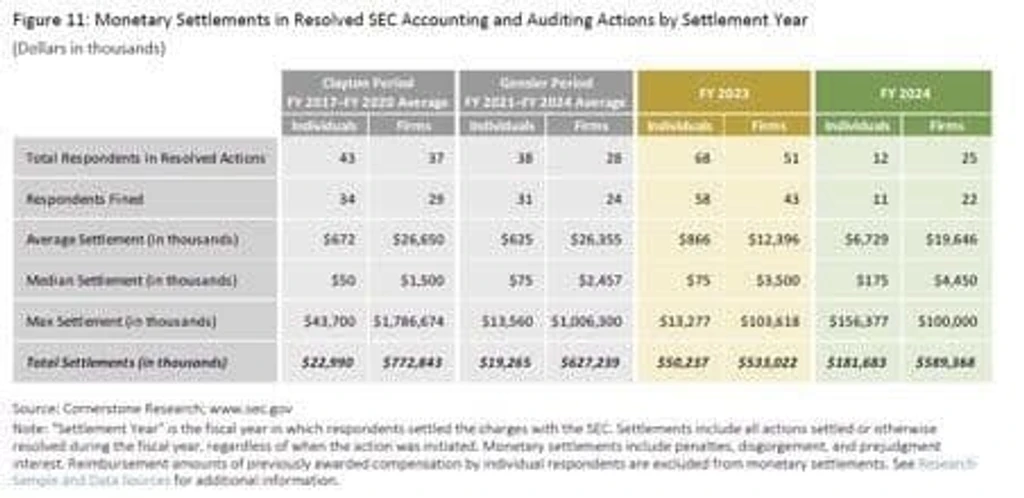
The U.S. relies on interpretive approaches, while the EU is moving towards standardization with new regulations like MiCA. This difference impacts how crypto holdings are validated and how gains and losses are recorded. Enforcement trends in the U.S. show fewer cases but higher financial stakes for individuals, whereas the EU is focused on harmonized compliance frameworks.
Amid this uncertainty, market participants are adopting best practices such as regular reserve attestations, independent valuations, enhanced internal controls, and blockchain analytics. Auditors are also expanding their expertise and partnering with specialists.
When considering meme coins, tax treatment is a critical factor. Unlike stock, proceeds from meme coin sales may be subject to ordinary income tax, a point of ongoing legislative discussion. Offshore offerings are sometimes preferred to mitigate U.S. tax burdens, highlighting tax as a live policy issue for crypto lobbyists.