
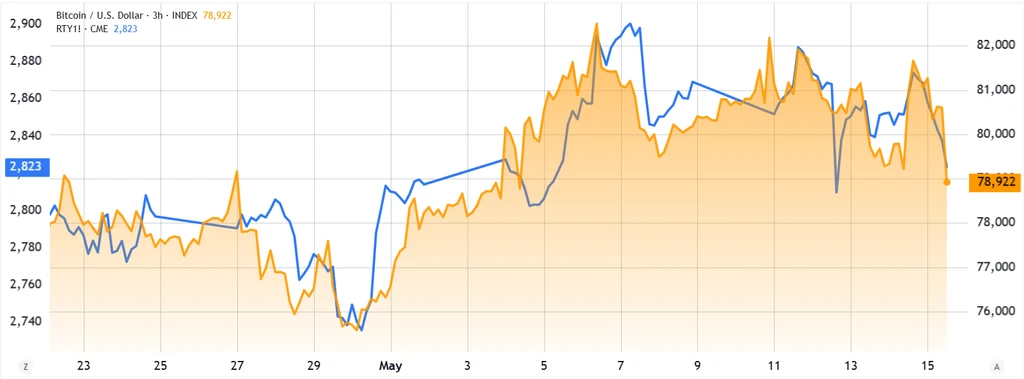
Bitcoin (BTC) slid below $79,000 on Friday after failing to hold $82,000, mirroring the Russell 2000 Index. The strong correlation suggests BTC is trading as a risk-on asset, not a hedge.
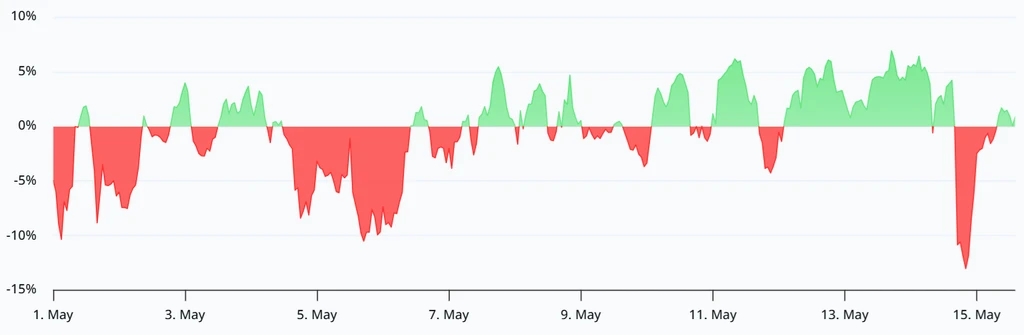
Demand for bullish leverage is absent, with BTC perpetual futures funding rates near zero or negative. Multiple attempts to break $82,000 failed to inspire confidence.
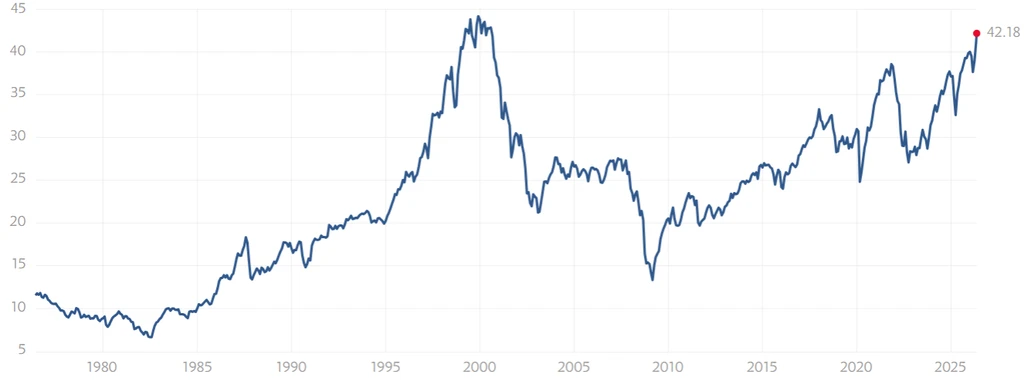
Macro fears are rising: the S&P 500 Shiller P/E ratio nears dot-com bubble levels, oil prices surged to $106 on Iran war concerns, and the US-China summit yielded no tariff deals.
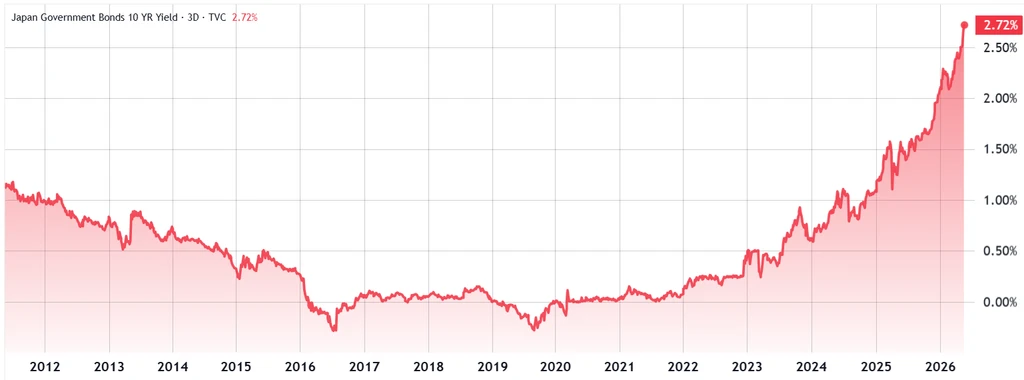
In a counterintuitive twist, investors are fleeing fixed-income assets. Yields on 10-year government bonds in Japan and the Eurozone hit multi-decade highs. Those outflows could eventually find their way back into risk assets like Bitcoin.
Short-term headwinds persist: high correlation with small-cap stocks, no bullish leverage demand, geopolitical uncertainty, and recession fears. The medium-term outlook, however, may see a liquidity-driven recovery.