
The 2026 Iran conflict triggered global market volatility, offering a real-world test of gold and Bitcoin as safe-haven assets. Gold initially rose on crisis-driven demand but quickly reversed as the US dollar strengthened and Treasury yields climbed-highlighting how macroeconomic forces can override geopolitical risk premiums.

Investors sold gold during peak uncertainty to raise cash, underscoring its vulnerability to liquidity crunches despite its long-standing role in central bank reserves.
Bitcoin, meanwhile, plunged to $63,106 at the war’s onset on February 28, 2026, but rebounded sharply to $73,156 by March 5. It settled near $71,226 by March 10, reflecting resilience but also sensitivity to broader market sentiment and liquidity conditions-not pure safe-haven behavior.
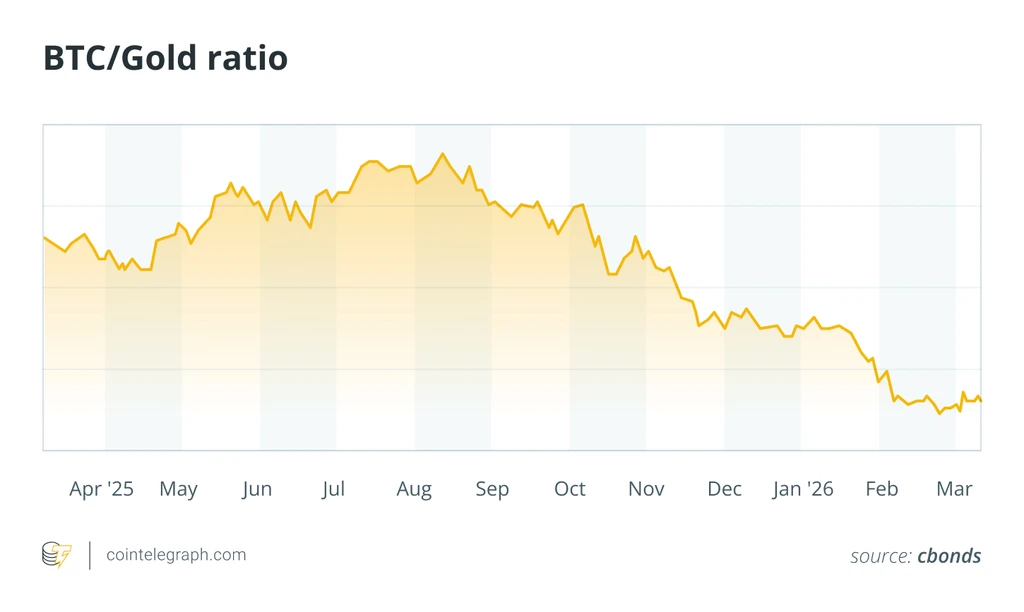
The US dollar’s surge played a decisive role: stronger dollar demand pressured gold (priced in USD) and diverted capital from risk assets like Bitcoin. Simultaneously, oil-driven inflation fears lifted bond yields, further dampening non-yielding assets.
The episode revealed a structural divide: gold remains anchored in the global monetary system, while Bitcoin operates as a high-beta, sentiment-driven alternative still evolving toward “digital gold” status.