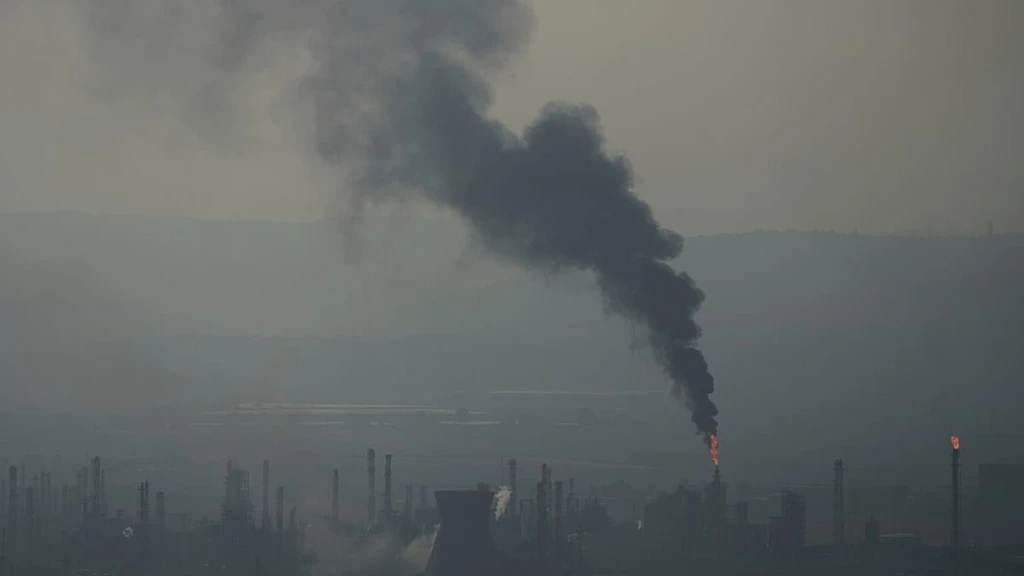
The International Energy Agency projects global oil demand will fall by one million barrels per day in 2026, marking the first annual drop since the pandemic year of 2020.
The contraction is heavily concentrated in Asia and in petrochemical products whose supply chains pass through the Strait of Hormuz. The IEA's latest report attributes the decline to the severe economic damage caused by the closure of that critical shipping lane.
Brent crude oil, the international benchmark, was trading near $76 a barrel. That is significantly higher than levels before the US-Israeli strikes on Iran in late February, but far below the $120 peak reached in March.
Global oil supply saw a fragile rebound in June, with production jumping 4.1 million barrels per day to 98.8 million. This was due to a partial reopening of the Strait of Hormuz, which allowed Gulf producers to restart some wells.
However, output remained 9.4 million barrels per day below its pre-war level. Gulf exports were 16.1 million barrels per day, down from a pre-conflict average of 24 million.
The IEA's forecasts assume a ceasefire holds and the Hormuz strait gradually reopens. That assumption is now in jeopardy.
The truce has unraveled. After Iranian forces struck commercial vessels, the US struck over 80 targets in Iran and revoked the license for its oil exports. Iran responded with attacks on Bahrain and Kuwait. US President Donald Trump has declared the ceasefire over.
As a result, tanker traffic through the strait has fallen sharply, raising further uncertainty for global energy markets.