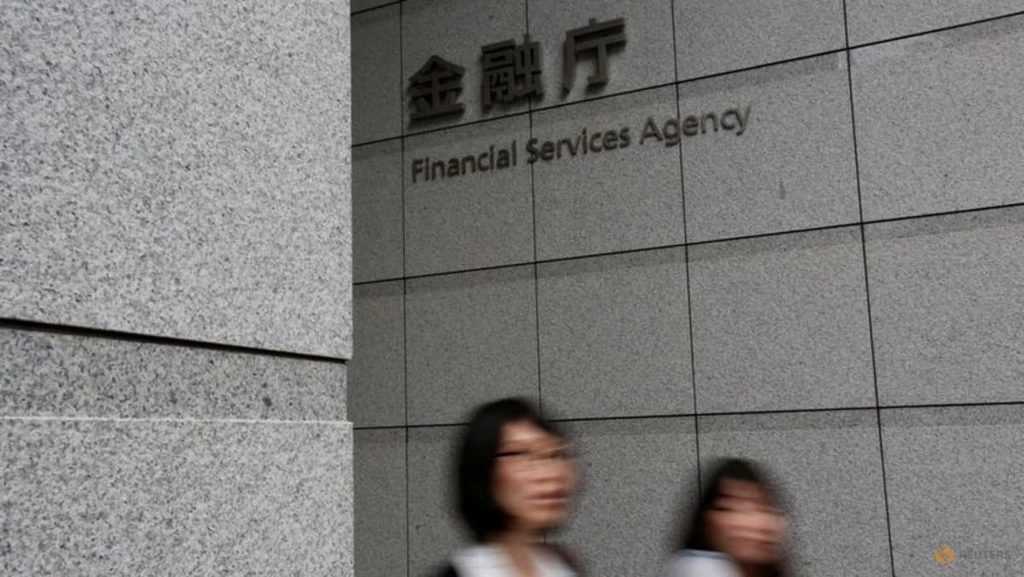
Japan's financial regulator is considering private credit as a core component of its new strategy to address escalating corporate funding needs, driven by a significant uptick in M&A activity. This development comes despite ongoing turbulence in international private credit markets.
Senior official Michinori Haba of the Financial Services Agency stated that Japan's private credit market, unlike its overseas counterparts facing redemption pressures, remains underdeveloped and requires cultivation. He noted that funding demand is strengthening as the administration prioritizes investment-led growth and encourages capital diversification.
Haba indicated that domestic private credit could become a key pillar under the government's new financial strategy, contingent upon close monitoring of governance and global developments. The government aims to compile a new financial strategy within months to reshape the financial ecosystem and stimulate growth in the world's fourth-largest economy.
While Japanese companies have traditionally relied on bank lending, demand for higher-risk financing is anticipated to increase due to a rise in the volume and value of M&A deals. Last year, M&A activity involving Japanese firms more than doubled to a record 51 trillion yen, fueled by large take-private transactions.
Haba highlighted that private credit can support leveraged buyout loans, and mezzanine financing, a hybrid of debt and equity, is particularly scarce in Japan.
Emerging signs show Japanese financial institutions are beginning to engage with the nascent domestic market. Sumitomo Mitsui Financial Group is reportedly in discussions with Nippon Life Insurance to establish a private credit fund for leveraged buyouts, a move Haba described as a positive development.