
U.S. stocks are experiencing a sharp decline as a confluence of economic headwinds threatens market stability. The S&P 500 dropped significantly following a report indicating a net loss of U.S. jobs last month, coupled with a surge in oil prices to their highest level in nearly two years due to the Iran conflict.
This scenario, characterized by a weakening economy and persistent inflation, presents a critical challenge for investors and policymakers. The Dow Jones Industrial Average and Nasdaq composite also registered substantial losses. Economists are raising concerns about stagflation - a stagnant economy coupled with high inflation - as retail sales also fell short of expectations, suggesting household spending may be nearing its limit.
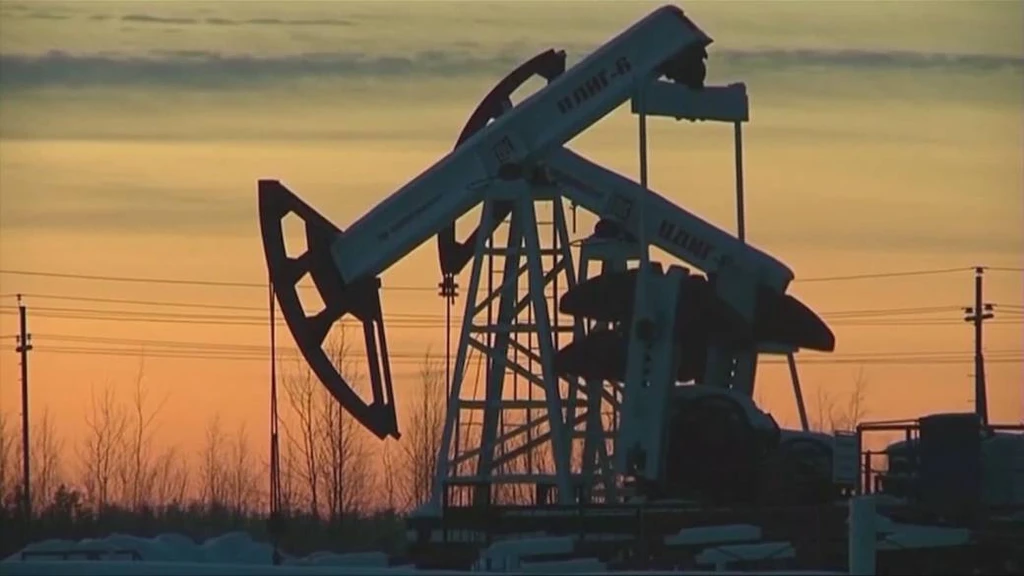
Normally, a weakening job market prompts interest rate cuts from the Federal Reserve to stimulate growth. However, rising oil prices, driven by geopolitical tensions, complicate this approach by exacerbating inflation. Brent crude surpassed $91 per barrel, with benchmark U.S. crude nearing $89, as the conflict impacts crucial energy production and transit routes in the Middle East.
Further price increases, particularly if oil reaches $100 per barrel, could prove unsustainable for the global economy. While markets have historically recovered from Middle East conflicts, sustained high oil prices remain a significant risk. This uncertainty has led to volatile trading sessions across financial markets.

In bond markets, Treasury yields are climbing, reflecting increased inflation expectations. Traders are now anticipating fewer interest rate cuts from the Fed this year. Smaller companies, often more vulnerable to borrowing costs and economic downturns, are bearing the brunt of the market sell-off, with the Russell 2000 index leading the declines. Major corporations reliant on fuel also saw significant drops in their stock values.