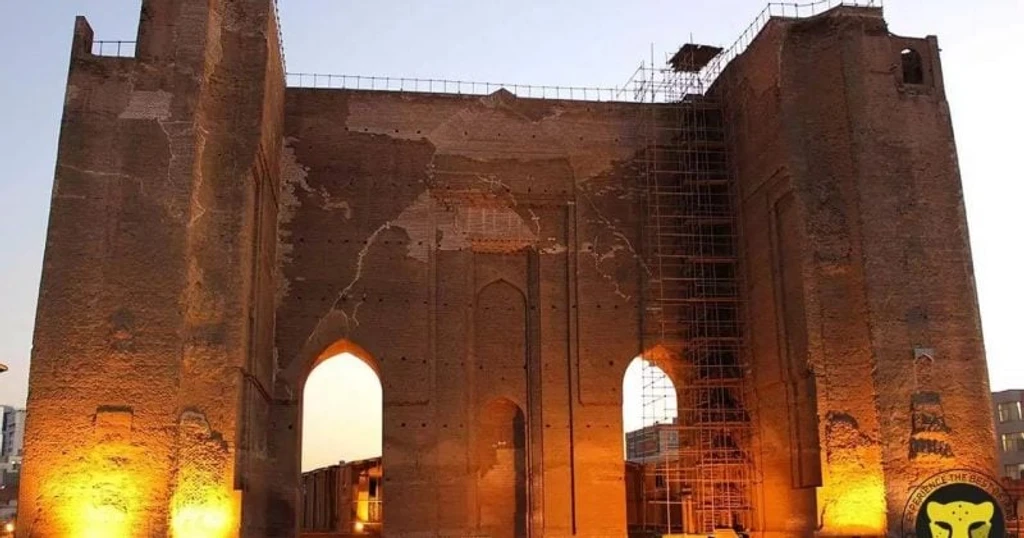
U.S. forces have struck military and infrastructure targets near Tabriz, Iran's fourth-largest city, pushing the conflict's geographic scope further north in a significant escalation. The strikes, occurring between March and June 2026, targeted installations, transport links, and a petrochemical facility. The city's location in Iran's northwest, near Turkey and Azerbaijan, makes it a critical trade corridor. Some operations appeared calibrated to degrade infrastructure rather than cause casualties.
Running parallel to the military campaign, the U.S. Treasury Department sanctioned Nobitex, Iran's largest cryptocurrency exchange, in early June 2026. The action accused Nobitex of facilitating financial flows for the Islamic Revolutionary Guard Corps. This move followed a major 2025 hack of the platform that exposed deep Iranian integration of crypto as a sanctions workaround. During periods of heightened military activity, IRGC-linked wallets reportedly saw significant fund movements, indicating increased reliance on digital assets.
The combined military and financial pressure signals a clear strategy. The strikes aim to sever logistics corridors connecting Tehran to its northwestern borders, while crypto sanctions target a key element of Iran's sanctions-evasion architecture.
For investors, the Nobitex sanctions create specific compliance risks. Exchanges with any indirect exposure face pressure to delist or block Treasury-flagged wallets to avoid secondary sanctions. This simultaneous action demonstrates that digital assets are now a fully integrated tool in geopolitical conflict, used both for pressure and as a vector that major powers seek to control.