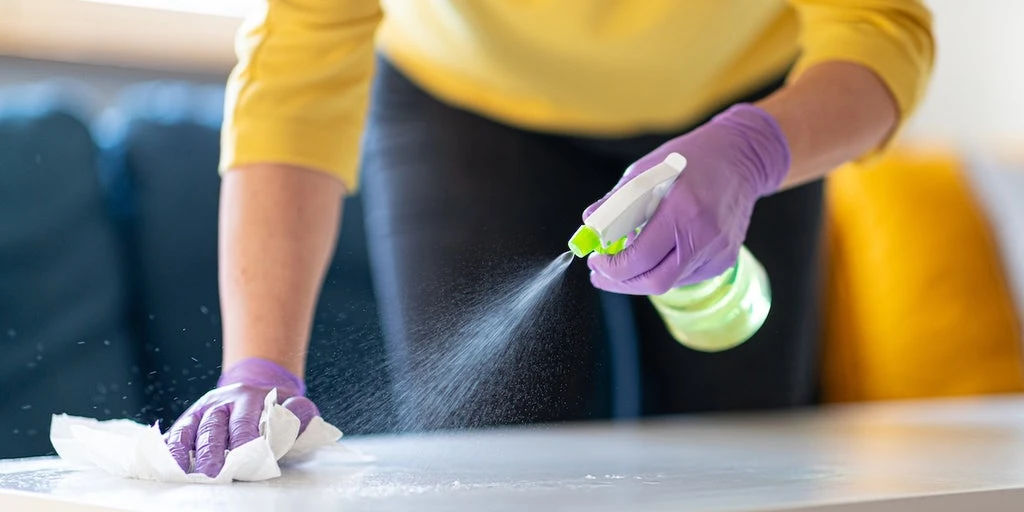
A new study indicates that widespread use of antibacterial soaps and cleaning products could be contributing to the dangerous rise of antimicrobial resistance (AMR). International researchers found that biocides, commonly added to household items like disinfectants and personal care products, can promote resistance in bacteria.
These biocides, particularly quaternary ammonium compounds (QACs) and chloroxylenol, can make bacteria more resistant not only to the cleaning agents but also to critical clinical antibiotics. This escalating resistance increases the risk of severe infections, disability, and death.
Lead author Rebecca Fuoco stated that antibacterial products offer no added benefit over plain soap and water for everyday home use, effectively fueling the antibiotic resistance crisis. "We’re feeding the antibiotic resistance crisis from our own sinks and countertops with products that don’t deliver the protection their marketing suggests."
The study, a synthesis of existing research, calls for reduced use of consumer-product biocides and greater public awareness. Experts recommend reserving disinfectants for situations involving contagious illness, and using bleach as a safer alternative for resistance risks.
Millions of deaths annually are linked to antibiotic resistance. While some industry groups argue the research oversimplifies the issue and highlights medical and agricultural overuse as primary drivers, the findings underscore a potential overlooked contributor to the global health threat.