Healthcare is undergoing its most profound transformation in decades. Faced with physician burnout, legacy systems and administrative overload, clinical and technology leaders are embracing agentic AI as the path forward.
![Photo: SiliconANGLE]
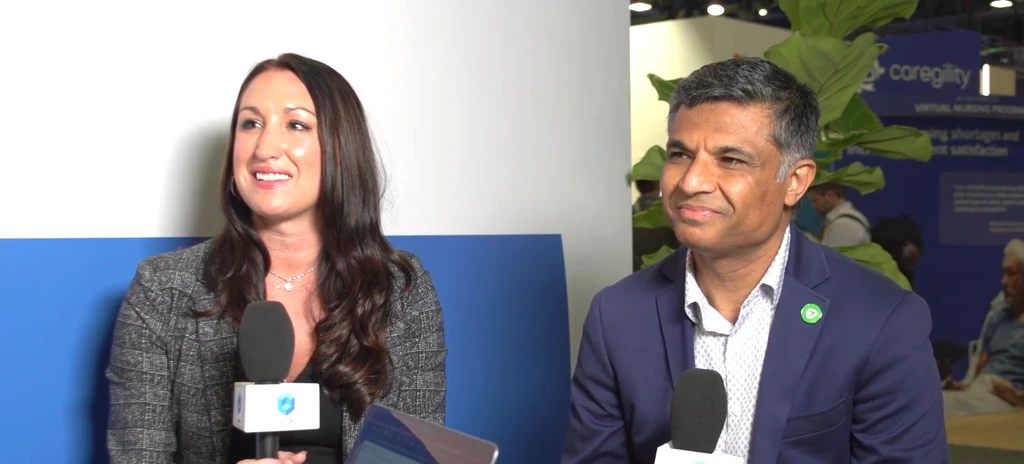
At the HIMSS Global Health Conference & Exhibition in Las Vegas, Google Cloud and its partners demonstrated how artificial intelligence is evolving from passive support to active workflow integration across payers, providers and patient engagement.
Aashima Gupta, global director of healthcare strategy and solutions at Google Cloud, called it an "agentic era for healthcare," where the focus shifts from what AI can do to what it is trusted to do.
Trust infrastructure is now critical. Systems must operate within compliance guardrails and auditability. One deployment using conversational AI on Google Cloud handles 80% of inbound patient calls, freeing clinicians for higher-value care.
Responsible AI is no longer just a policy issue-it’s embedded in clinical operations. Optum’s Sonia Gupta emphasized cross-functional governance involving clinical, IT, legal and finance teams, with ongoing model monitoring post-deployment.
Integration remains a hurdle. Most health systems run on regulated legacy platforms. Cognizant’s Stephanie Rickard noted that interoperability is key. Google’s Vertex AI and Gemini’s multimodal capabilities bridge data silos across text, imaging and voice.
AI agents now manage entire workflows end-to-end. Quantiphi used Google Cloud to unify radiology data, automate disease screening and populate research pipelines-without human handoffs between steps.
The workforce is becoming hybrid by design. Accenture’s Nneka Emegwa explained that humans now operate above the loop-setting strategy-while agents handle execution.
The vision: an AI agent for every employee. From Humana’s Agent Assist supporting 20,000 associates to Quest Diagnostics’ AI Companion helping patients interpret lab results, agentic AI is redefining roles across revenue cycle, HR and patient care.