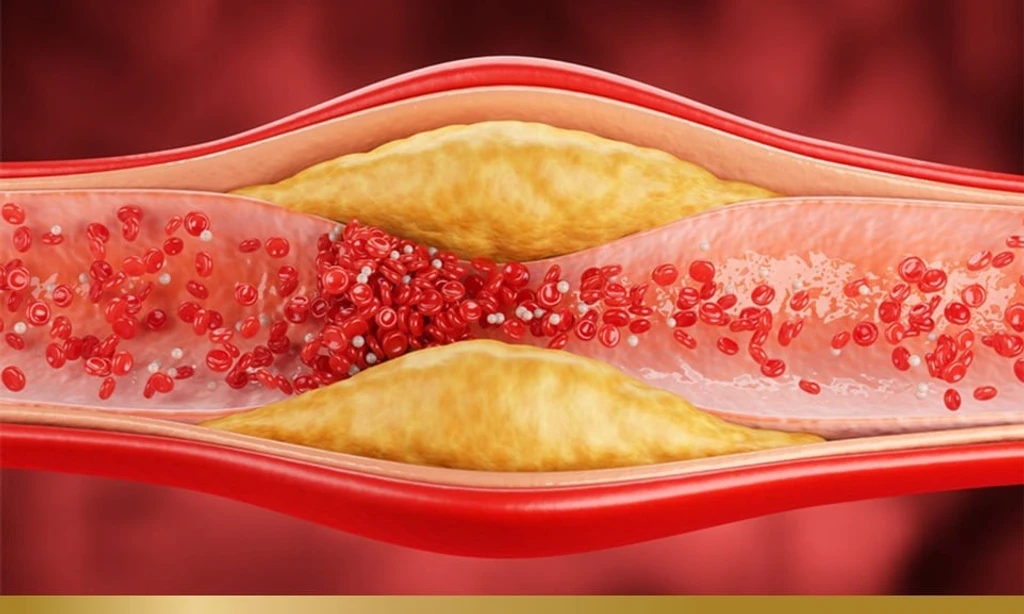
Atherosclerotic cardiovascular disease (ASCVD) imposes a staggering $680 billion annual cost on global healthcare. This figure, revealed in a 2026 Office of Health Economics (OHE) report, is comparable to the entire economy of Sweden.
The economic impact could potentially double to $1.4 trillion, or 0.7% of global GDP, when indirect socioeconomic costs like productivity losses are factored in. In many analyzed countries, these indirect costs outweigh direct medical expenses, largely due to mortality and informal caregiving.
Chris Skedgel, Director of the Office of Health Economics, emphasized, "This research shows the enormous burden of ASCVD - not just to the healthcare system but to the wider economy. What this also tells us is that prevention may have significant pay-offs."
Up to one-third of this burden, amounting to $230 billion in direct healthcare costs, is linked to elevated low-density lipoprotein cholesterol (LDL-C), a modifiable risk factor. OHE estimates that effective management and prevention of high LDL-C could avert up to $480 billion in direct and indirect costs.
Skedgel noted, "We found that the greatest overall burden comes from the large share of the population with only moderately elevated LDL-C, rather than the much smaller share with extremely high LDL-C. This finding is slightly counterintuitive and represents one of the paradoxes of prevention: the greatest benefits of prevention often come from prioritizing large moderate risk populations rather than relatively smaller populations with the greatest risks."
Researchers underscore the importance of investing in preventative therapies. Improved LDL-C levels can be achieved through better adherence to existing guidelines, increased use of lipid-lowering treatments, and strategic investments in prevention. These initiatives promise not only to align spending with disease burden but also to enhance population health, reduce hospitalizations, and address health equity concerns, particularly for underserved groups.