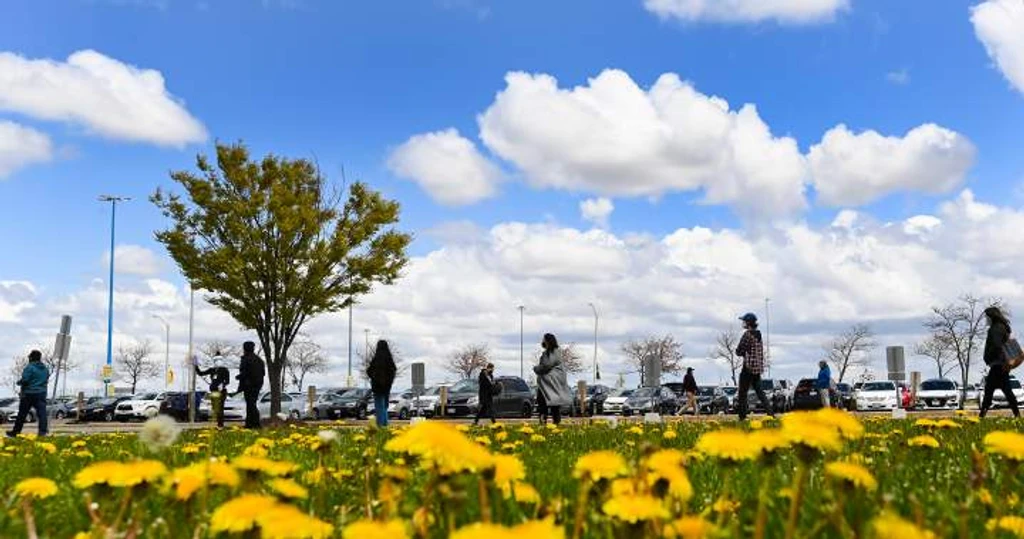
Allergy season is intensifying across Canada, with experts attributing the trend to a warming climate that spurs increased pollen production. A recent study by Aerobiology Research Laboratories indicates that annual pollen loads nationwide show a clear upward trend, meaning allergy seasons are becoming "more intense overall."
Scientists explain that warmer temperatures and longer warm weather periods directly correlate with higher pollen counts. Health Canada confirms that climate change is expected to increase airborne allergens, leading to more prevalent allergic diseases. Higher carbon dioxide levels, a product of climate change, can also boost plant growth and subsequent pollen output.
Allergy researcher Dr. Amin Kanani notes that warmer temperatures and increased CO2 levels contribute to longer growing seasons and more plant growth, resulting in longer pollen seasons and higher peak pollen counts. Dr. Mariam Hanna, with the Canadian Society of Allergy and Clinical Immunology, observes an earlier start to spring and a later end to fall, prolonging exposure to allergens.
According to the Aerobiology Research Laboratories study, Windsor, Hamilton, Barrie, Victoria, and Kingston are identified as the most challenging Canadian cities for seasonal pollen allergies. Conversely, St. John's, Saint John, Regina, Moncton, and Halifax were found to be the best cities for allergy sufferers. Ontario and British Columbia are cited as experiencing the harshest allergy seasons due to significant tree and grass pollen levels, respectively.
Urban areas can also see high pollen counts, partly due to the common planting of male trees, which release pollen without producing messy fruits. Additionally, pollution can break down pollen, allowing it to penetrate deeper into the lungs and exacerbate allergic reactions. Despite a late start this year due to cold spring weather, the peak of the allergy season is anticipated in mid-May.