
The Public Health Agency of Canada says temporarily blocking entry for people from Ebola-affected countries is necessary to protect Canadians, especially ahead of the FIFA World Cup 2026.
Canada, the United States, and Mexico have aligned travel measures for regions at greatest risk. Starting next week, immigration applications from the Democratic Republic of Congo, Uganda, and South Sudan will be paused for 90 days. A mandatory 21-day self-isolation for travelers from those countries begins Saturday.
Canada has never recorded an Ebola case. The outbreak involves the rare Bundibugyo virus, for which there is no licensed vaccine.
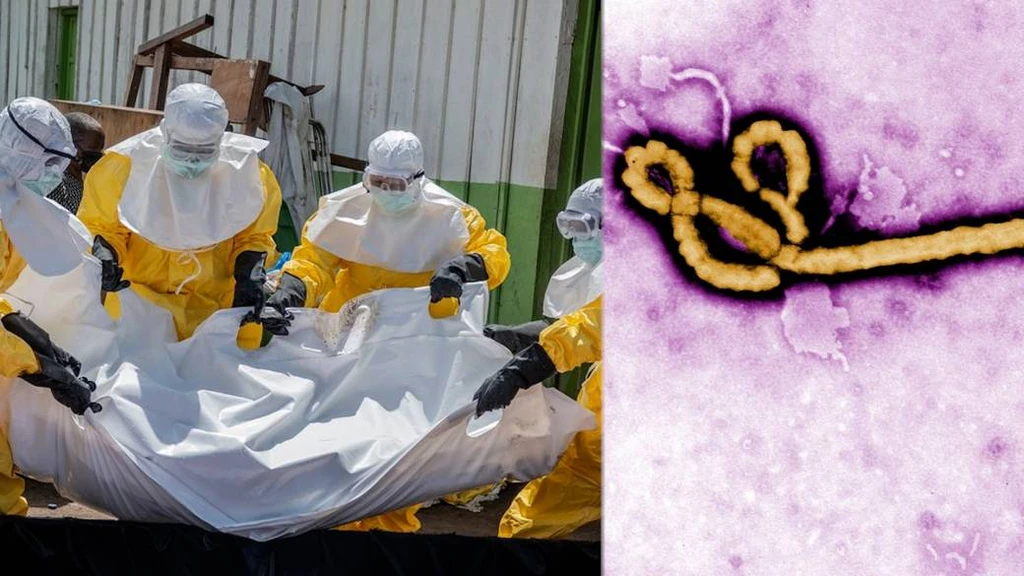
The World Health Organization opposes travel restrictions, calling them fear-based and unscientific. Infectious disease experts agree, noting the virus spreads only through contact with bodily fluids, and infected individuals are not contagious until symptomatic.
Dr. Allison McGeer of Mount Sinai Hospital in Toronto says the measures could hinder outbreak response, as aid workers returning from the region face quarantine. Virologist Angela Rasmussen of the University of Saskatchewan calls the restrictions “overkill.”
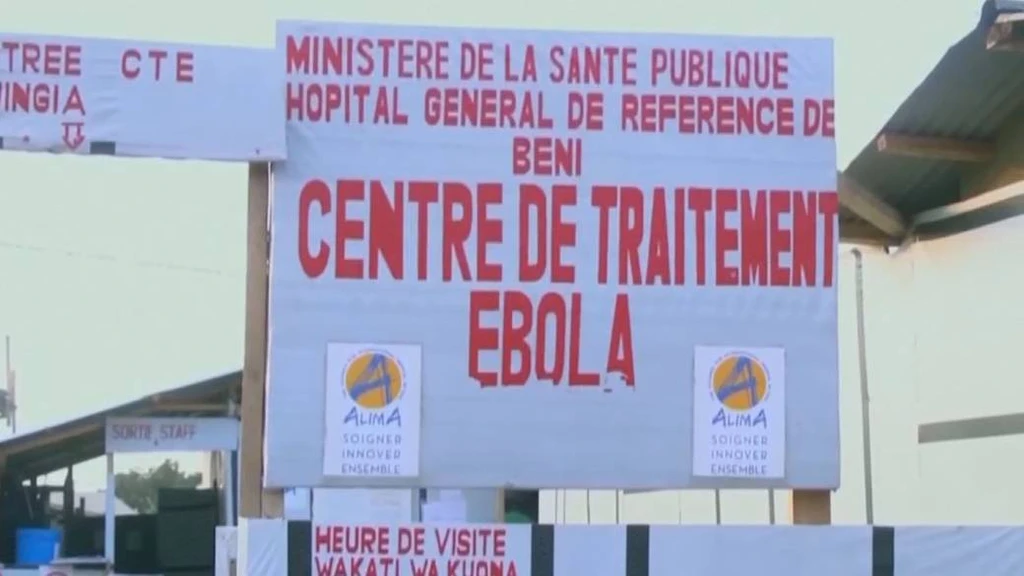
However, Dr. Matthew Runnalls, medical director of Toronto’s World Cup medical planning team, calls the travel restrictions “entirely reasonable,” given the scale of the global event.