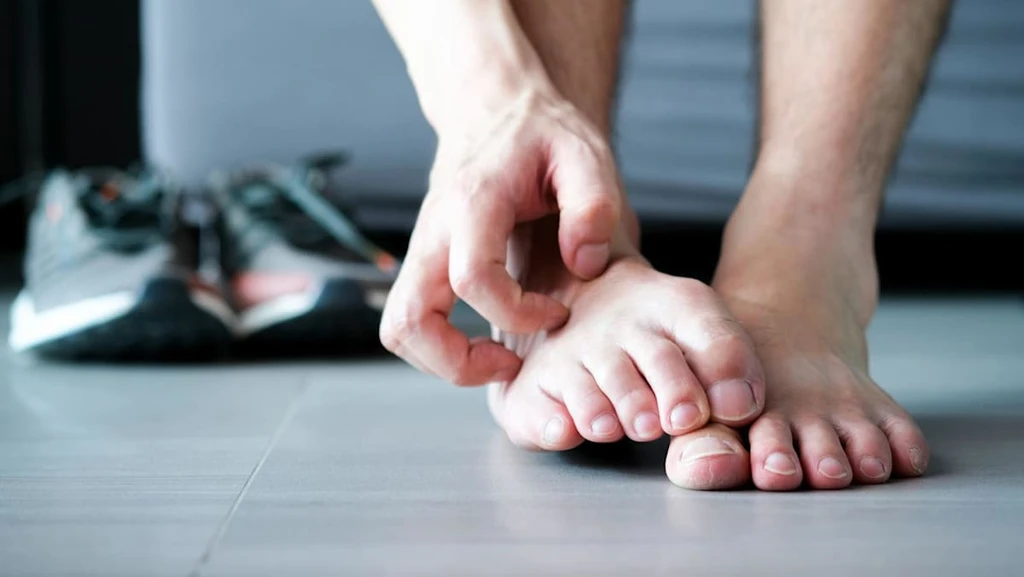
Despite efforts to treat it, athlete’s foot, or tinea pedis, remains a persistent issue. This fungal infection, often found between the toes, affects both military personnel and civilians globally.
In Singapore, tinea pedis accounts for over one in four fungal skin infections. Podiatrists see numerous cases, especially during hotter, more humid periods. The infection is more common in men aged 16 to 45, particularly those with conditions like hyperhidrosis or who wear enclosed footwear for long periods.
The fungi causing athlete’s foot, such as Trichophyton rubrum, are highly resilient. They suppress the immune system and slow skin cell renewal, making the infection hard to eliminate. Compounding the issue, many patients prematurely stop their antifungal treatment, allowing the fungus to survive and spread.
Additionally, some fungi have become drug-resistant, similar to superbugs, making treatment more challenging. Over-the-counter creams containing steroids can mask symptoms without addressing the root cause, leading to resistance.
Early signs include dry, flaky skin, itching, and small blisters. Severe cases can lead to maceration, where the skin becomes soft and white, increasing the risk of bacterial infections. In extreme cases, particularly in diabetics, this can result in serious complications.
Hard floors, rubber flooring, and carpets can harbor fungal spores, contributing to the spread of the infection. Diatomite mats, however, dry quickly and help prevent moisture buildup.
For mild cases, over-the-counter antifungal treatments can be effective. However, if symptoms persist or worsen after two weeks, consult a doctor. Stubborn or recurring infections may require prescription medications, which come with potential side effects.
Prevent athlete’s foot by keeping feet dry and well-ventilated. Wear moisture-wicking socks and allow shoes to dry out between uses. Regularly wash socks in hot water to kill any fungi.