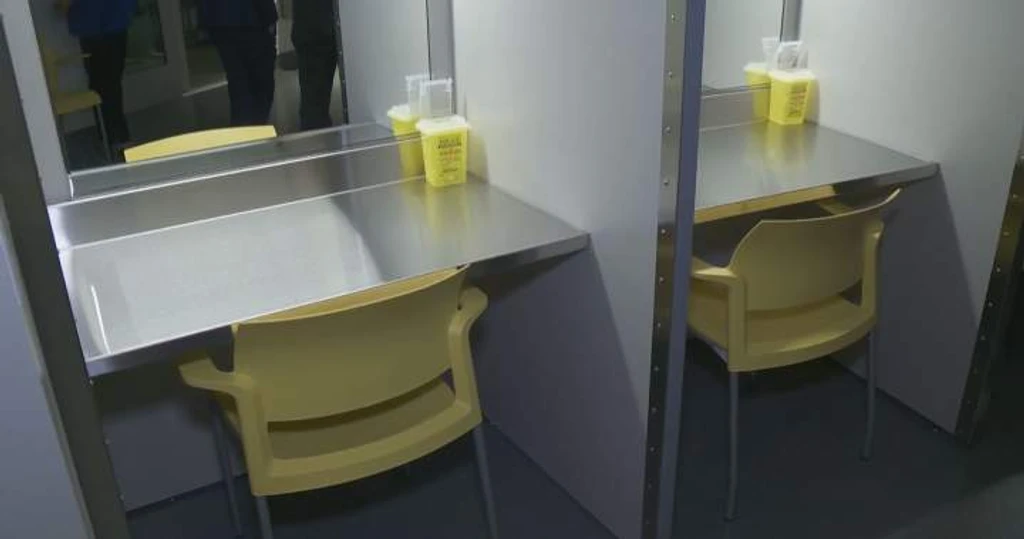
A year after Ontario launched its Homeless and Addiction Recovery Treatment (HART) Hubs to replace supervised consumption sites, advocates say the model has failed to deliver meaningful recovery services.
The province banned needle exchanges and drug testing-critical harm reduction tools-while shifting operations to HART Hubs. Yet many sites offer only drop-in services: food, laundry, and counseling. Few recovery beds or supportive housing units are operational.
"They don’t even seem to be providing what they’re supposed to be providing, which is recovery," said community worker Diana Chan McNally, citing months-long waitlists for treatment beds.
Public health researcher Gillian Kolla found that communities closed to supervised sites reported no improvement in detox access or housing availability. Toronto Medical Officer Dr. Michelle Murti warned that toxic drug supplies now contain unregulated animal tranquilizers like medetomidine-often mistaken for fentanyl and unresponsive to naloxone.
Overdoses, which had declined in 2025, are rising month-over-month since late 2024.
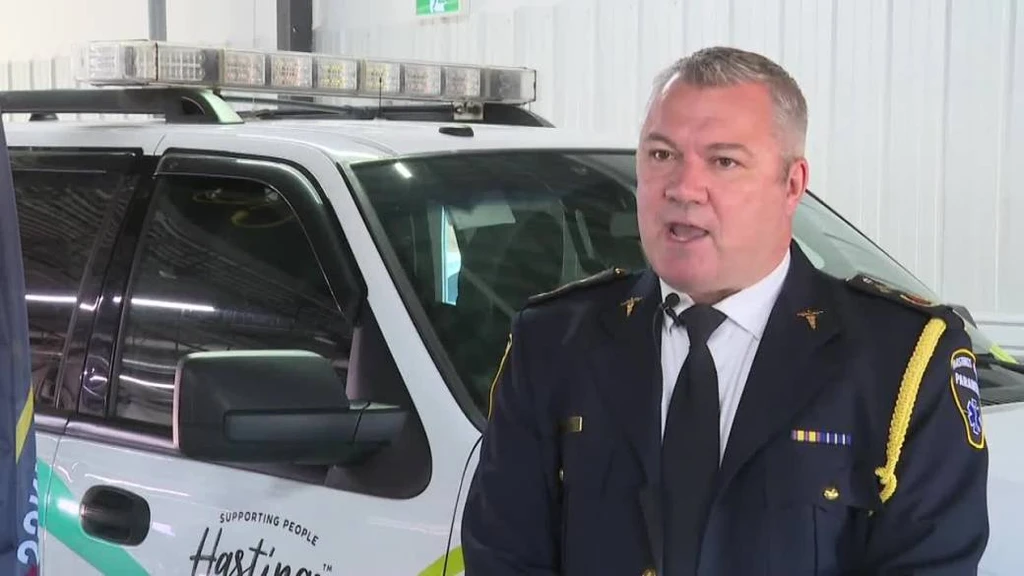
Bill Sinclair of the Neighbourhood Group, operator of Toronto’s last remaining supervised consumption site west of Yonge Street, said his location now serves double the clients. "HART Hubs help people wait," he said. "But today, people need to live to be on a waiting list."
The province claims over 100,000 client interactions and hundreds of new beds-but provides no verified breakdown for Toronto.