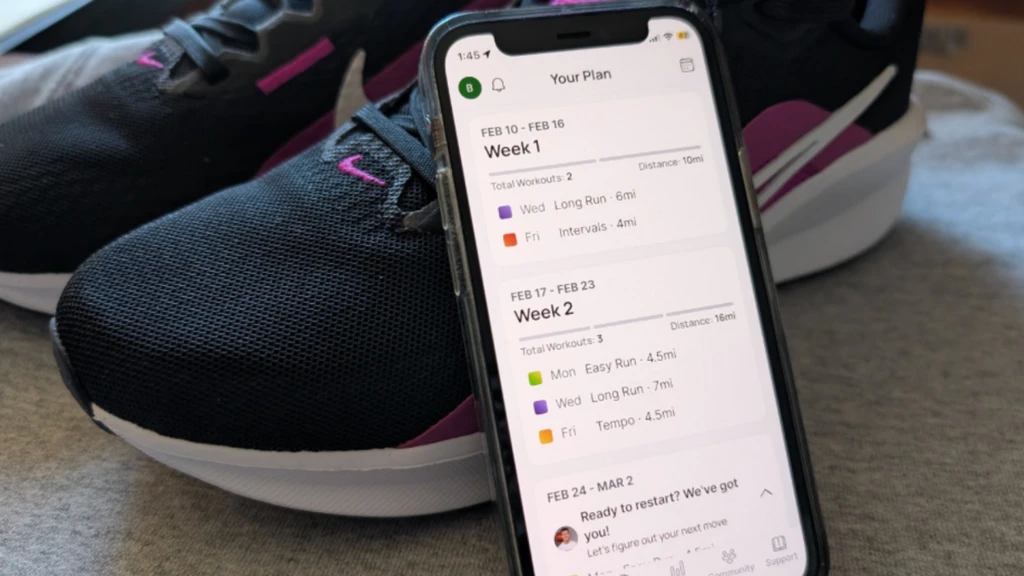
Running communities are discussing concerns over injuries linked to training apps like Runna, especially after its acquisition by Strava. While apps provide structure, users are reporting shin splints and stress fractures, with some blaming the app for pushing them too aggressively.
Running injuries are prevalent, with studies showing a high percentage of runners experiencing them annually, often due to overuse. Blindly trusting app-generated plans without understanding their logic or listening to your body can lead to overexertion.
Beginners and highly motivated runners are particularly at risk. Beginners may struggle to distinguish normal soreness from serious warning signs, while motivated individuals might view rest days as failures. Understanding the 'why' behind training recommendations allows for necessary adjustments.
Key warning signs include week-over-week mileage jumps exceeding 10%, back-to-back hard training sessions without adequate recovery, and insufficient truly easy running. Runners should adjust intensity settings in apps like Runna if these signs appear.
Non-negotiable signs of injury include sharp or localized pain during runs, changes in gait, pain that worsens the morning after a session, bone pain on impact, and persistent joint pain. If these symptoms arise, stopping and seeking medical attention is crucial.
To use Runna effectively, be honest about your starting fitness level, treat the initial weeks as a test, utilize training preference settings, incorporate deliberate recovery weeks, run easy days genuinely easy, and adhere to rest days. While apps like Runna are powerful tools, they require an attentive user to manage risk and ensure safe, effective training.