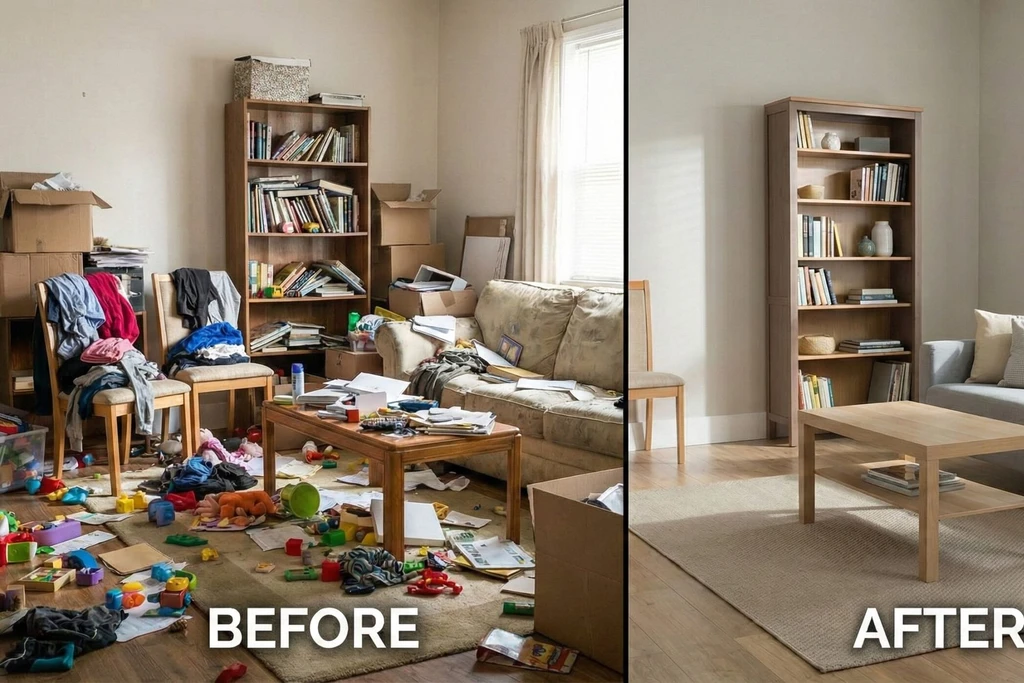
Those home organization shows with expensive staging are unrealistic for most people. True organization is about changing how you interact with possessions. Research shows clutter increases cortisol levels, creating constant mental drain.
Here are key rules based on psychology and habit:
1. Wait to buy storage supplies The biggest mistake is starting at The Container Store. You cannot organize clutter-only conceal it. First subtract 20-30% of items using cardboard boxes you already own.
2. Apply Swedish death cleaning Popularized by Margareta Magnusson's book, this mindset asks: "If I died tomorrow, would this item be a gift or burden to my family?" It provides objectivity for letting go.
3. Use the one-touch rule Clutter often results from delayed decisions. When you pick something up, place it directly in its final destination immediately.
4. Be skeptical of decanting While attractive, transferring products to new containers creates extra work. Unless packaging is damaged, keep it simple.
5. Implement a maybe box For difficult decisions, place items in a sealed box dated today. Set a six-month reminder. If unopened, donate without reviewing.
6. Clear flat surfaces first Psychologically, clear countertops provide the biggest visual return. Establish rules against overnight clutter on kitchen islands and tables.
7. Use vertical space Install hooks, use high shelves for seasonal items, and add tension rods to double closet space. Floor space is premium real estate.
8. Digitize nostalgia Photograph children's artwork and scan documents. Keep physical originals only if truly exceptional.
9. Practice one in, two out Maintain strict inventory caps. For every new item purchased, remove two existing items to prevent clutter accumulation.
10. Beware sunk-cost fallacy The money spent on unused items is already gone. Keeping them costs space and mental peace. Sell or donate instead.