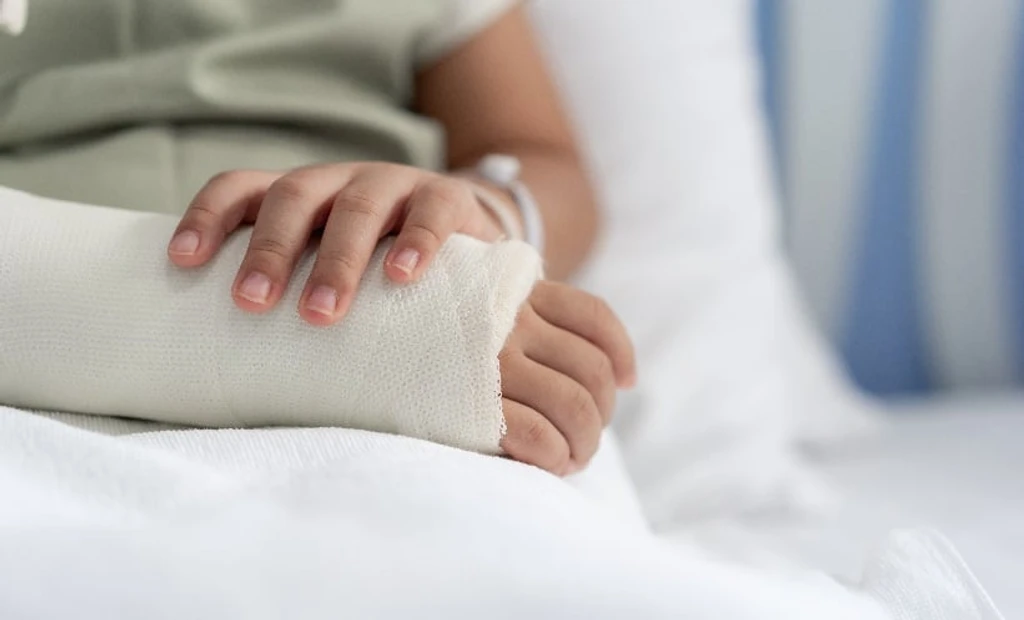
A UK-based pilot study indicates modest early improvements in using AI to detect fractures associated with child abuse in young children. Fractures are a common indicator of physical abuse, which affects nearly 7% of children in the UK. Missed fractures can lead to severe consequences, including increased mortality.
Researchers assessed a deep learning tool called BoneView. In a retrospective study of radiographs from 1,740 children under five, baseline sensitivity for fracture detection was 44%, rising to 52% after retraining the AI on relevant imaging data. Specificity increased from 61% to 67%. While these gains are promising, the AI's performance is not yet sufficient for independent clinical use.
The study highlighted challenges, noting that AI performance for detecting inflicted rib fractures was lower than for overall fractures. Data limitations included being sourced from a single tertiary center, potentially affecting generalizability. The study concluded that AI fracture detection tools should be used cautiously as an adjunct to expert radiological assessment, particularly given the subtlety of inflicted fractures.