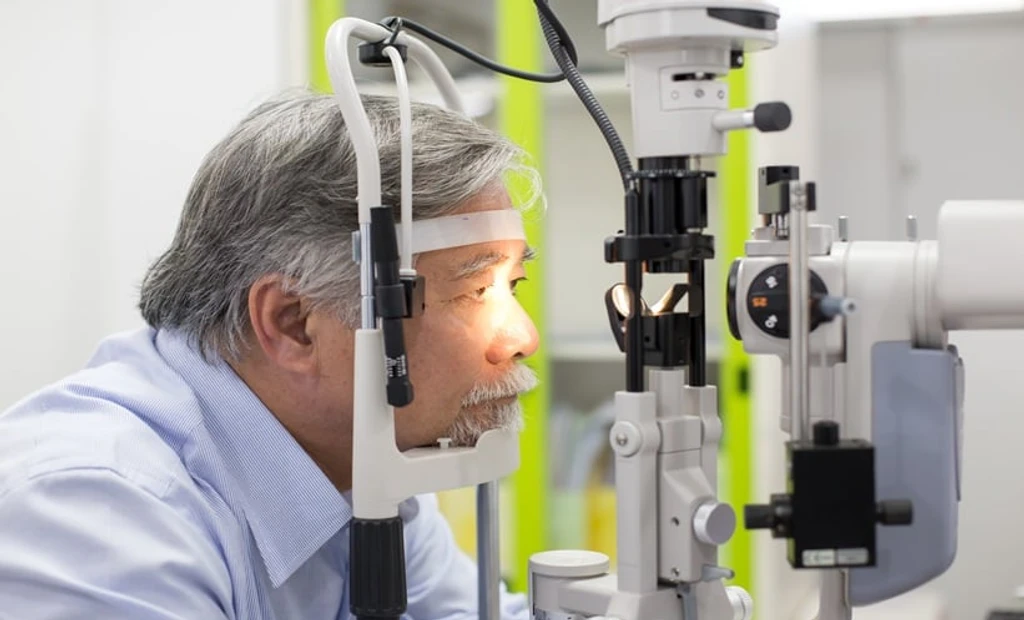
AI retinal imaging is being evaluated as a potential tool to identify adults needing Alzheimer’s disease referral in primary care. A new Cochrane diagnostic review protocol examines how accurately artificial intelligence algorithms can read retinal images to detect patients who may require specialist evaluation.
The rationale: Alzheimer’s begins long before symptoms appear, and emerging therapies make early diagnosis critical. Retinal imaging offers a noninvasive window into this question, as the retina and brain share neural origins, and retinal changes have been linked to neurodegenerative disease.
The protocol highlights several retinal features relevant to Alzheimer’s detection, including thinning of the retinal nerve fiber layer, microvascular changes, and signals related to amyloid β-protein and phosphorylated tau. Imaging approaches under review include optical coherence tomography, OCT angiography, fundus photography, and hyperspectral imaging.
AI retinal imaging would not be a standalone diagnosis but an add-on test for adults with suspected Alzheimer’s, including those with mild cognitive impairment. In primary care, it could improve the sensitivity and specificity of identifying patients who should be referred to neurology.
The planned review will extract diagnostic performance measures-sensitivity, specificity, positive and negative predictive values-and analyze heterogeneity by study design, clinical setting, imaging modality, and algorithm type.