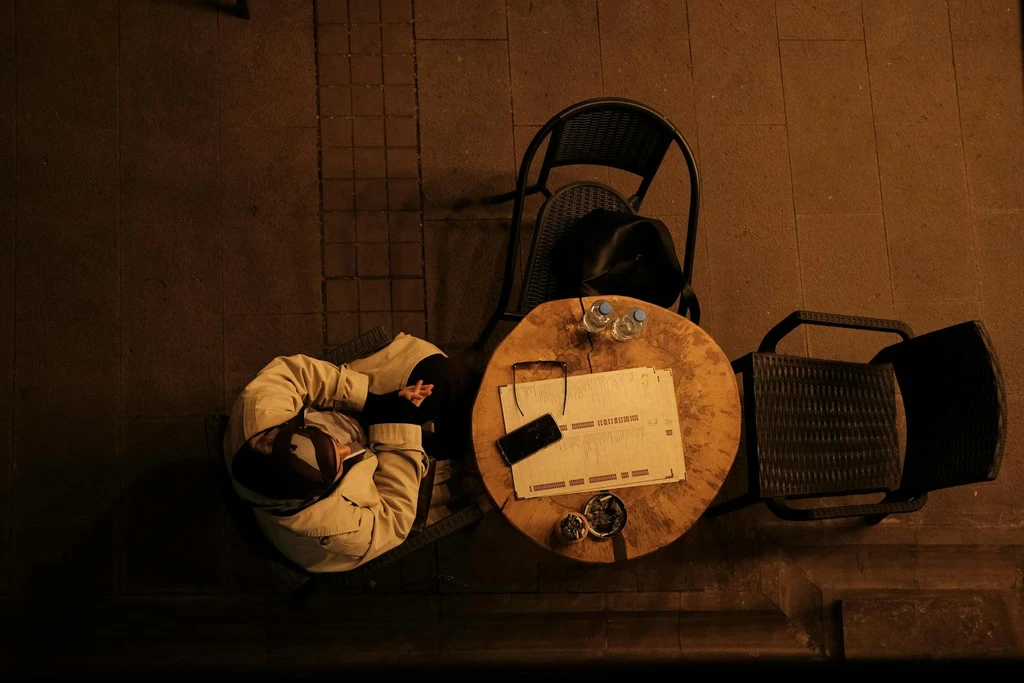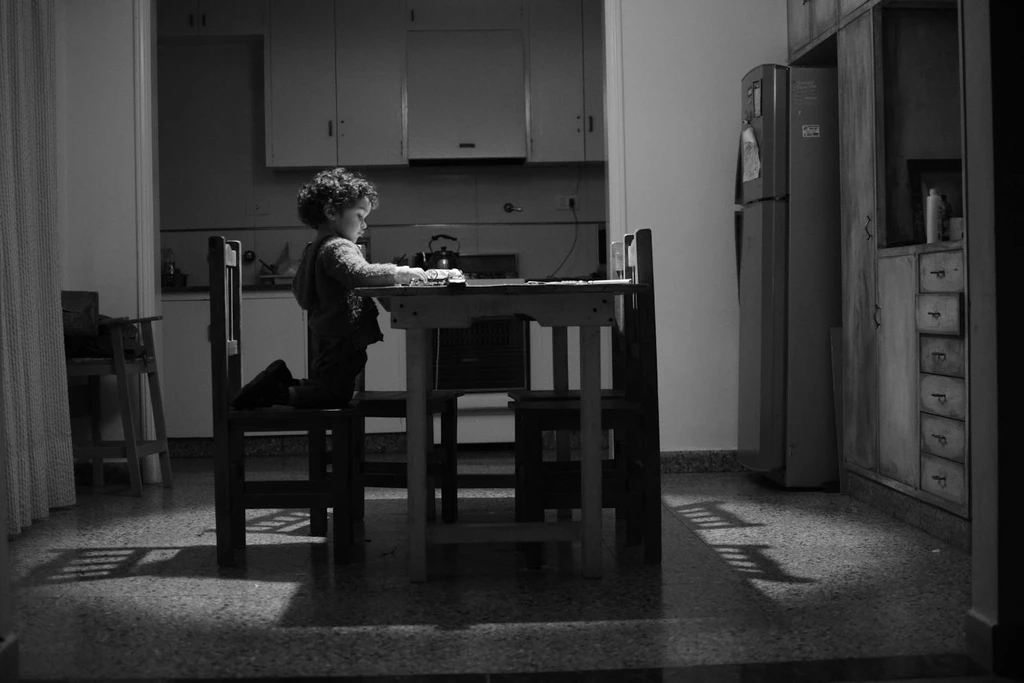
Adults who shrug and say they have no preference aren't necessarily easygoing. For many, that shrug is a residue of childhood where having a preference drew dangerous attention.
Children in unstable homes learn early that stating a want is not neutral-it's a request for visibility in a system where visibility is dangerous. The shrug becomes a survival strategy, not a personality trait.
This pattern, sometimes called Type C personality (chronic suppression of emotion to keep peace), is often misread as agreeable or low-maintenance. But the internal cost is high: the nervous system atrophies the ability to know what it wants at all.
The cost isn't borne by others; it's borne by the shrugger. The same system that won't pick a restaurant won't push back on a boss or tell a partner what's wrong.
Breaking the pattern requires small, low-stakes choices-coffee vs. tea-and relearning over years that preference doesn't detonate the room.