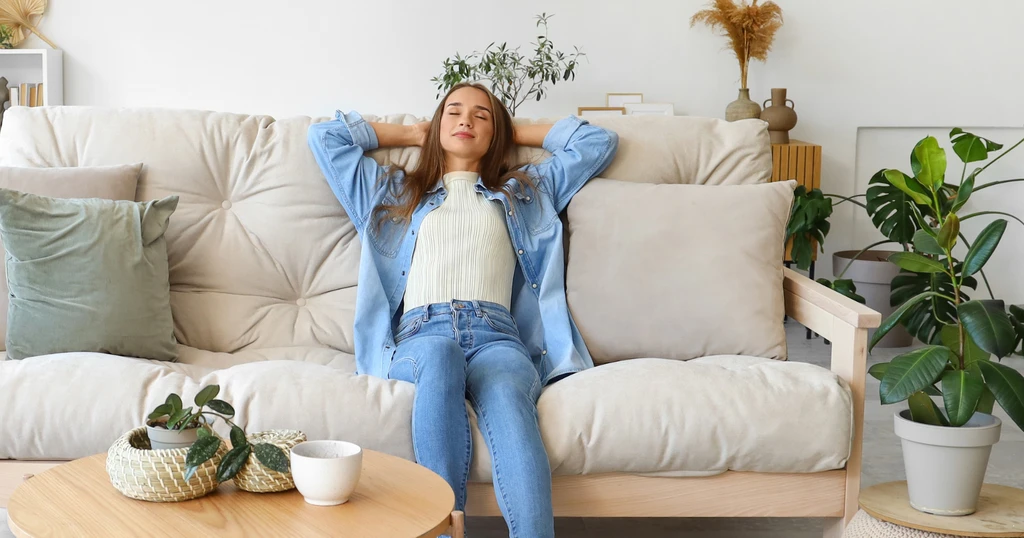
People who choose to stay home on weekends often possess deep emotional intelligence and self-awareness, psychologists say.
These individuals understand their energy is finite. After high-stimulation workweeks, they recharge through solitude rather than socializing, a sign of resource management, not antisocial behavior.
They tend to be more self-aware, using quiet time to reflect, process emotions, and gain clarity about their lives-something difficult to achieve in loud social settings.
Their relationships are fewer but deeper. By investing selectively, they foster meaningful connections built on authenticity rather than surface-level interaction.
Emotional regulation is stronger in those who embrace solitude. They sit with discomfort instead of escaping it, developing resilience over time.
Creativity thrives in solitude. Without external input, they follow their own thoughts, leading to original ideas and insights.
They distinguish between loneliness and solitude. Choosing to be alone is restorative; being forced into isolation is not. The key is autonomy.
Ultimately, preferring quiet weekends isn’t a flaw-it’s a sign of knowing oneself and prioritizing mental well-being.