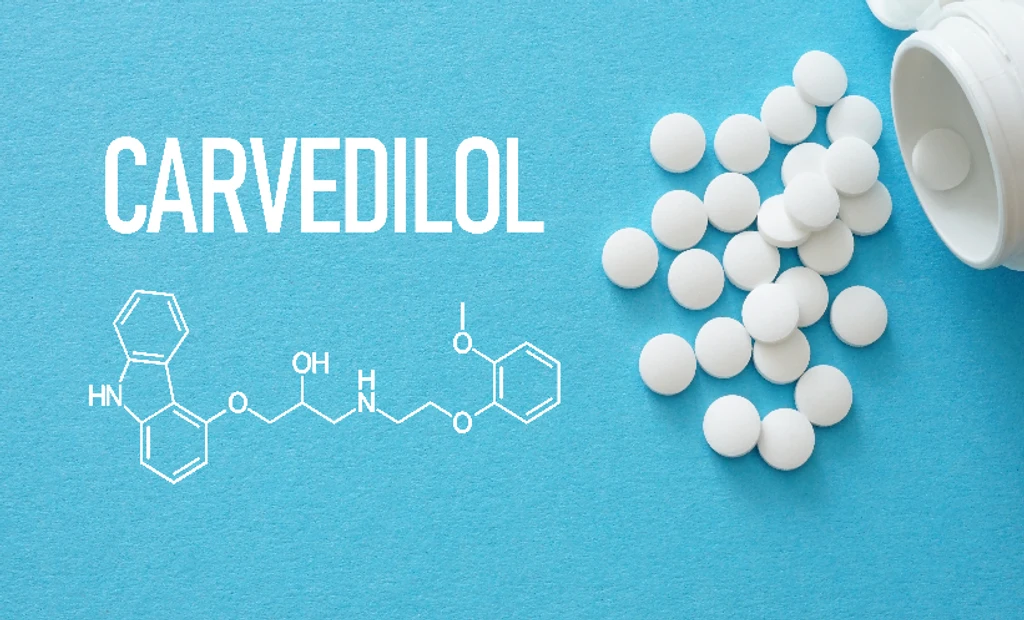
Advanced chronic liver disease (ACLD) affects 1.3% of the global population and often leads to life-threatening complications. Portal hypertension, or increased pressure in the liver’s blood vessels, is a key driver of these issues. Beta-blockers, particularly carvedilol, are being used to manage this condition by lowering cardiac output and reducing portal pressure. Clinical trials suggest they can decrease the risk of first decompensation, especially in patients with clinically significant portal hypertension.
Carvedilol appears more effective than propranolol at reducing hepatic venous pressure gradient, potentially delaying decompensation. However, its benefits diminish once the disease progresses. Treatment effectiveness varies depending on the stage of ACLD, with compensated disease generally tolerating beta-blockers better than decompensated cases.
In addition to medication, endoscopic variceal ligation is used for patients who cannot tolerate drugs. Combining carvedilol with this procedure may improve outcomes in high-risk patients. Addressing underlying causes like alcohol use, viral hepatitis, and metabolic disease is also critical.