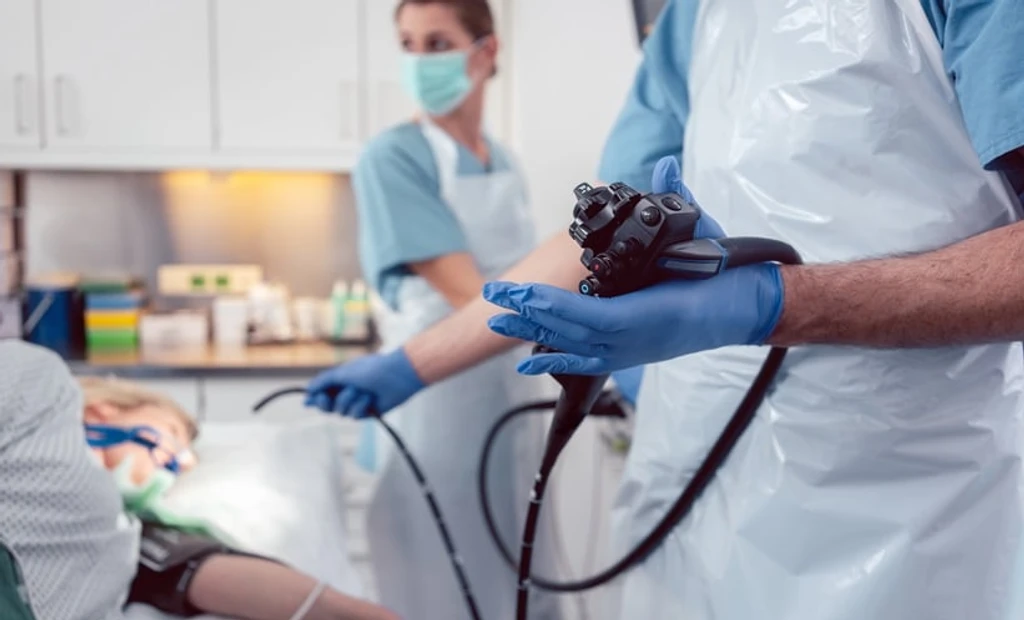
Researchers in China have developed an AI system that can distinguish malignant from benign gastric ulcers during endoscopy in real time, with near-instant analysis and high accuracy.
The deep learning model was trained on more than 27,000 images from four hospitals. It analyzes ulcers dynamically during procedures, identifying suspicious lesions with precision.
On validation testing, the AI achieved 91% precision and recall, with 99% specificity for malignant ulcers. That means it can reliably flag cancer while keeping false positives low.
The system processes images at 113 frames per second, with less than 9 milliseconds of latency. That speed makes it practical for real-time use during routine endoscopies without slowing down procedures.
By offering objective, instant interpretation, the tool may help clinicians target biopsies more effectively and reduce variability between operators, potentially improving earlier diagnosis of gastric cancer.
While prospective studies are still needed, the research adds to the evidence that AI-assisted endoscopy could play a growing role in precision gastroenterology and earlier cancer detection.