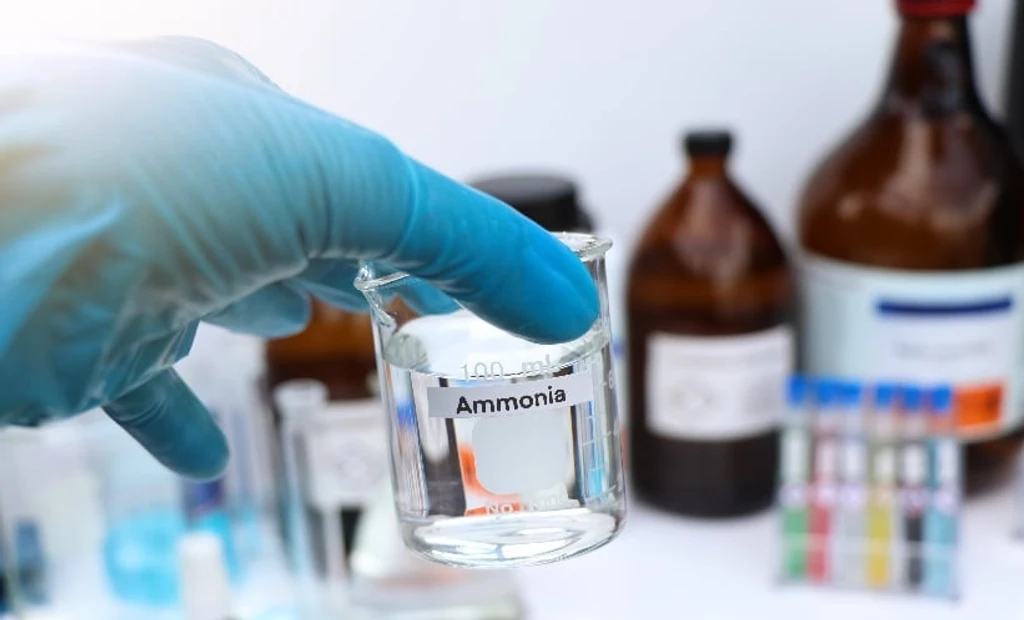
A new mouse study indicates that the liver's inability to effectively remove ammonia can accelerate the growth of hepatocellular carcinoma (HCC). Researchers observed that mice with reduced urea cycle enzyme activity exhibited higher ammonia levels and more rapid tumor progression. Limiting dietary protein, which lowers ammonia production, significantly slowed tumor development.
HCC is the primary form of liver cancer, originating from hepatocytes. The liver typically detoxifies ammonia, a waste product from protein digestion, converting it to urea for kidney excretion. Disruptions in this urea cycle lead to ammonia accumulation, which in these experiments, fueled tumor growth.
Experiments involving various mouse models of HCC revealed that tumors driven by β-catenin signaling showed suppressed urea cycle enzymes, resulting in elevated ammonia in blood and liver tissue. This high ammonia correlated with metabolic shifts supporting rapid cell proliferation.
Researchers further tested the impact of reduced ammonia production. Mice on a low-protein diet (6% protein calories) displayed slower tumor growth and increased survival compared to those on standard diets. This dietary change also lowered ammonia levels, partially restored urea cycle function, and moderated tumor-promoting metabolic changes.
While these findings suggest impaired ammonia handling can promote liver tumor growth, the study was conducted in mice. Results may differ in humans due to metabolic, dietary, and microenvironment variations. The research highlights the potential of dietary interventions, like low-protein diets, as an adjunct strategy to reduce nitrogen load, though human application requires balancing nutritional needs.
Further research is needed to clarify the precise molecular mechanisms behind urea cycle enzyme suppression and explore therapeutic avenues such as ammonia-scavenging therapies.