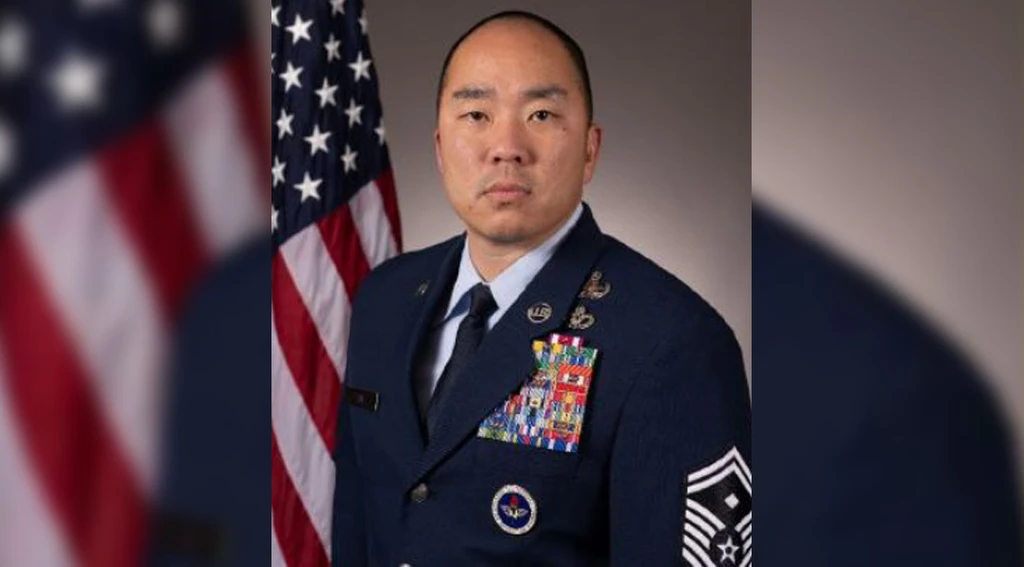
Air Force Senior Master Sergeant Aaron Lin has navigated the intense challenges of both battlefield and personal struggles, emerging fortified by his experiences. Following the events of September 11, 2001, Lin joined the Air Force, seeking a role as a force multiplier on the battlefield.
His first deployment to Iraq brought a profound moment of pride when an Iraqi grandfather thanked him for making his neighborhood safe for his grandchildren. However, a later deployment to Afghanistan in March 2010 proved life-altering. An explosion during an improvised explosive device (IED) disarming mission resulted in the loss of two close friends, triggering combat-related Post-Traumatic Stress Disorder (PTSD) and survivor's guilt.
Lin struggled with diminished confidence and decision-making abilities, feeling like a liability. Despite internal barriers to seeking help, he persevered, even returning to Afghanistan for another deployment and later becoming an EOD instructor. After initial attempts at mental health strategies proved ineffective, he increased his focus on external activities.
A friend's encouragement led him to an outpatient program and the Air Force Wounded Warrior (AFW2) program. This congressionally mandated program provides personalized care and advocacy, including support through sports. AFW2 offered Lin a new purpose, fostering camaraderie with fellow service members who had faced similar challenges.
Lin competed in multiple adaptive sports, including wheelchair rugby, basketball, and sitting volleyball, achieving a gold medal in wheelchair basketball at the 2024 Warrior Games. He also participated in powerlifting, archery, shooting, and indoor rowing. He credits channeling his anxiety into competition as a significant turning point in his recovery.
His dedication to training and recovery earned him the title of 2024 Air Force Male Athlete of the Year. Lin now serves as an ambassador for AFW2, highlighting its impact on his return to service and overall well-being. He emphasizes that daily workouts are essential for his functioning and recovery.
Lin's journey underscores the critical role of fitness in mental health recovery, transforming personal tragedy into triumph. His success serves as a beacon for other service members navigating their own challenges, validating that more missions lie ahead and recovery is possible.