Australia is on track to become the first nation in the world to eliminate a form of cancer, targeting cervical cancer by 2035. The country's two-pronged approach-widespread HPV vaccination and advanced screening-has already halved incidence and mortality rates since 1982.
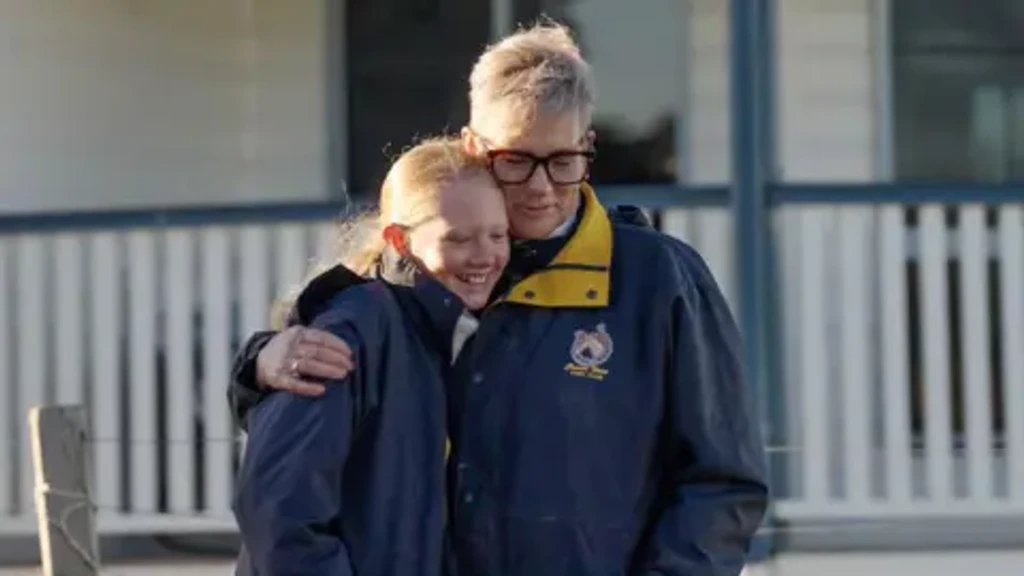
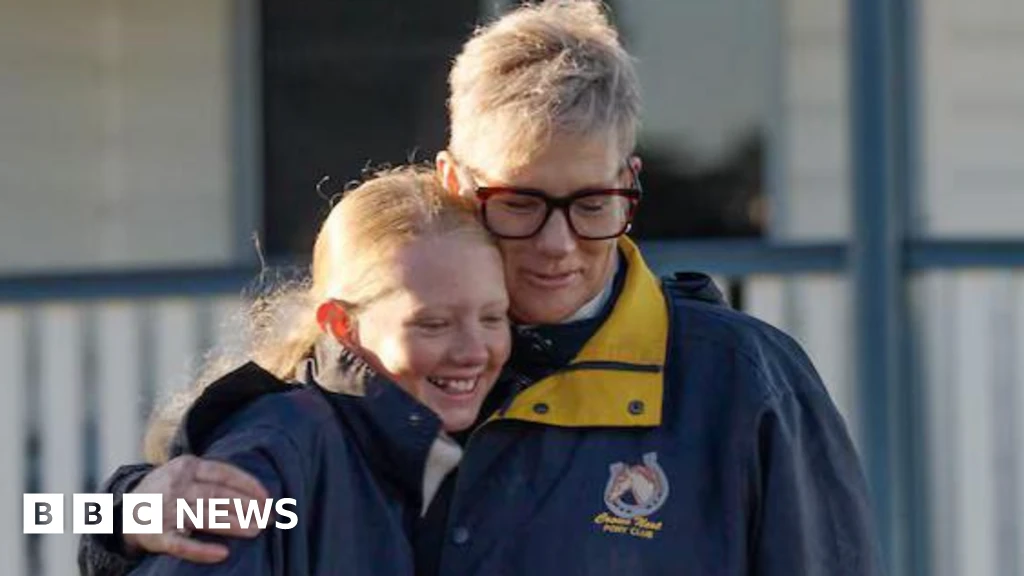
Chrissy Walters, diagnosed with advanced cervical cancer, faces a terminal prognosis. Her 12-year-old daughter is part of the generation Australia hopes will never face the disease.
The HPV vaccine, developed by Australian scientists at the University of Queensland and approved in 2006, was rolled out nationally in 2007. The program now includes boys, and Australia was among the first to adopt HPV-based cervical screening every five years.

Professor Karen Canfell, a global leader in cervical cancer control, says Australia's progress offers a model for the WHO. Current data shows 6.3 new cases per 100,000 women, and for the first time in 2021, zero cases in women under 25.
However, challenges remain. Indigenous women face double the cervical cancer rates and triple the mortality, with elimination projected 12 years later than the national target. Vaccine hesitancy post-COVID and rising healthcare costs are also barriers.
Globally, Sweden and Rwanda aim for elimination by 2027, while the UK targets 2040. Australia is also aiding neighbors like Vanuatu and Papua New Guinea, though US foreign aid cuts threaten progress in low-income nations.