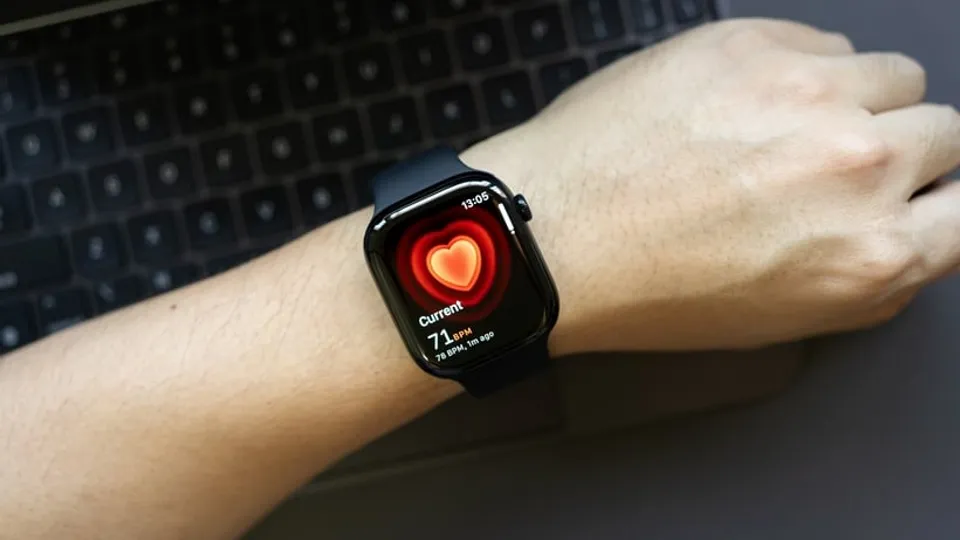
Smartwatch screening drastically improves the detection of atrial fibrillation in older, high-risk patients, yielding substantially higher diagnosis rates than standard care.
Atrial fibrillation, the most common heart rhythm disorder, is a major cause of stroke, heart failure, and premature death. Its intermittent and often asymptomatic nature makes early diagnosis challenging, yet timely treatment, like anticoagulation, can significantly reduce stroke risk.
Wearable devices featuring photoplethysmography and electrocardiogram capabilities offer a scalable, noninvasive approach to enhanced detection. Integrating smartwatch monitoring into clinical practice could lead to earlier identification of atrial fibrillation, particularly in older adults with elevated stroke risk, ultimately improving cardiovascular outcomes.
A multicenter randomized controlled trial involving 437 high-risk patients aged 65 and over compared smartwatch monitoring against standard care for six months. The intervention group saw new-onset atrial fibrillation diagnosed in 9.6% of participants, compared to 2.3% in the control group. This represents a significant hazard ratio of 4.40 (P=0.001), with several asymptomatic episodes detected solely through smartwatch monitoring.
These findings suggest wearable screening could fundamentally alter atrial fibrillation diagnosis and prevention, enabling faster treatment and potentially reducing stroke risk. As digital health advances, smartwatch screening is poised to become a critical tool in cardiovascular prevention, promoting proactive and personalized healthcare.