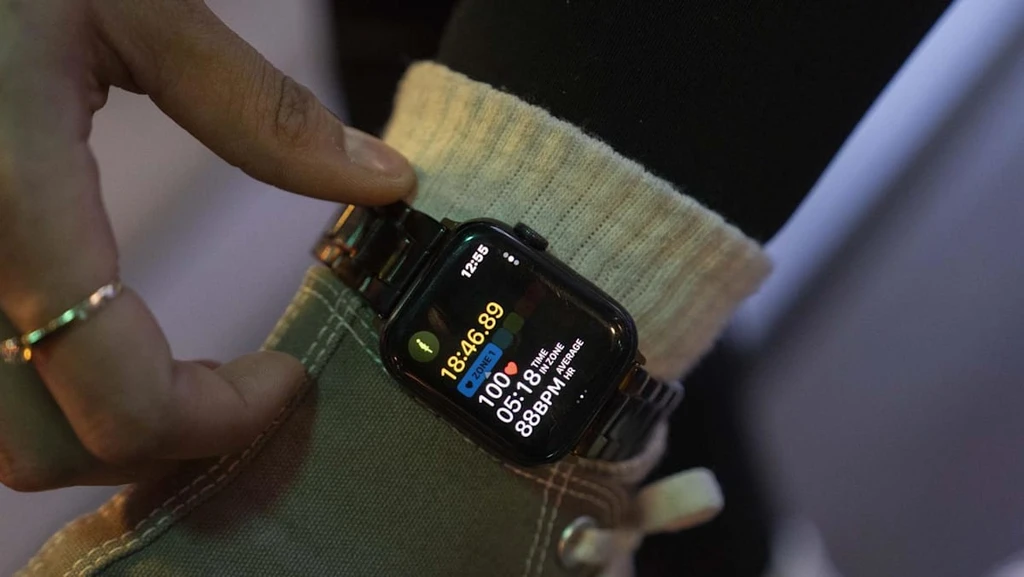
Wearable devices offer a constant stream of data, from step counts to sleep patterns. While ownership is high among fitness-minded consumers, many physicians remain cautious about the clinical value of this information.
Experts say a few key metrics are medically meaningful. Certain devices can reliably flag atrial fibrillation. Dr. Erica Spatz of Yale School of Medicine notes that studies show these alerts are accurate the majority of the time. Basic activity levels, like reaching approximately 7,000 daily steps, are also linked to lower risks for several chronic diseases.
Sleep patterns-including duration and consistency-provide useful data. Dr. Cheri Mah of the Stanford Sleep Medicine Center confirms that popular wearables are over 90% accurate at distinguishing sleep from wakefulness when compared to clinical studies.
However, other common metrics are not yet reliable for medical decisions. Dr. Jag Singh of Harvard Medical School points out that blood pressure, blood oxygen, and proprietary wellness scores measured by consumer wearables often lack standardization and proven links to health outcomes.
For effective use, experts advise focusing on long-term trends rather than daily fluctuations. "The value of the wearable is not the number," says Dr. Zahi Fayad of Mount Sinai. "It's the trajectory." Comparing your data to others is also less helpful than tracking your own baseline.
Doctors caution that an obsessive focus on data can lead to anxiety, particularly with sleep tracking. Dr. Ezekiel Emanuel of the University of Pennsylvania suggests that how refreshed you feel in the morning is a more important guide than a perfect sleep score. If tracking causes stress, it may be best to take a break or use the device for a short-term goal.
While wearables make internal health metrics more accessible, the medical community is still working to fully integrate and interpret this data for actionable care.