
Diagnosing Pneumocystis jirovecii pneumonia (PJP), a deadly fungal threat to immunocompromised patients, remains a stark challenge. Conventional staining methods frequently fail to detect the infection, leaving vulnerable patients undiagnosed and at high mortality risk.
A comprehensive scoping review now identifies quantitative PCR (qPCR) testing on bronchoalveolar lavage (BAL) fluid as a potential new gold standard. The findings show qPCR delivers markedly higher sensitivity and specificity than traditional Wright-Giemsa, Gomori methenamine silver (GMS), or immunofluorescence assay (IFA) techniques.
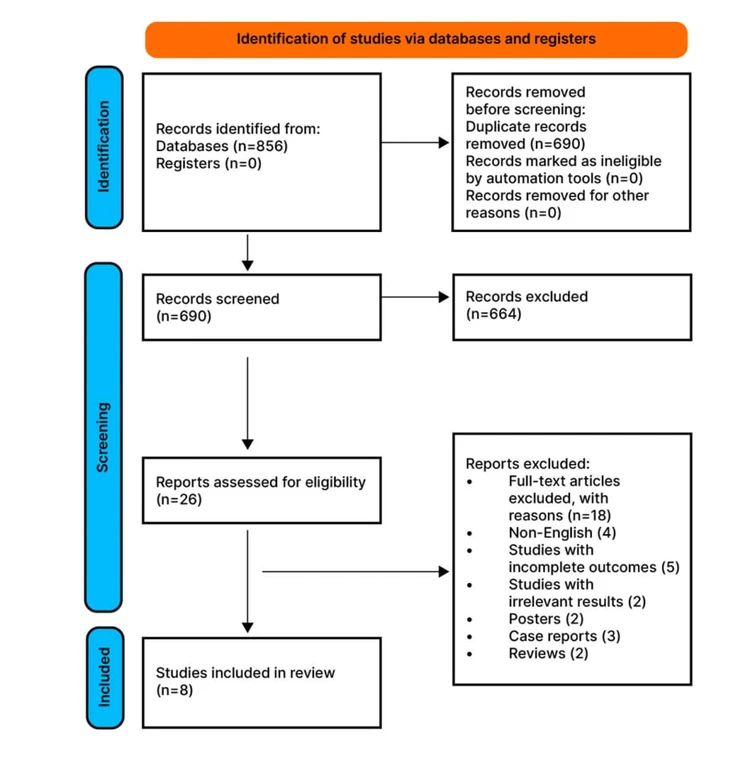
In the analysis of eight qualifying studies, traditional GMS stains showed sensitivities as low as 45%. In comparison, PCR-based diagnostics frequently approached 100% accuracy and offered superior negative predictive value. This is critical for patients whose infections are missed by older microscopic techniques.
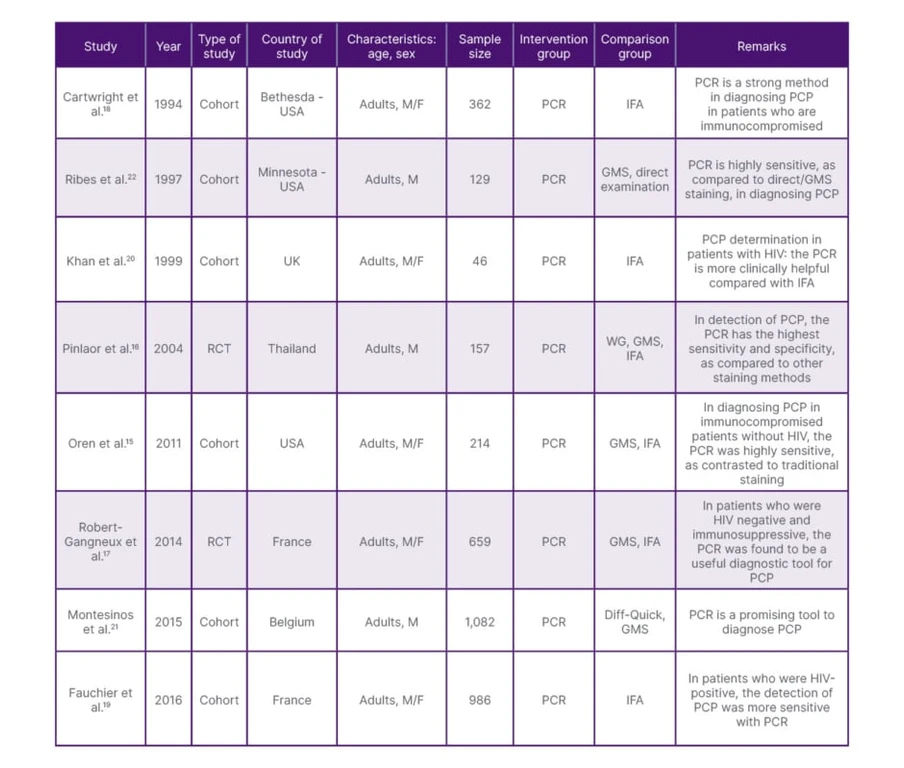
However, a major clinical caveat persists. PCR cannot always distinguish between a dormant colonization of the fungus and an active, life-threatening infection. Experts caution that positive molecular results must be strictly interpreted alongside radiological imaging and clinical symptoms.
The review, which examined studies from 1985 to 2025, exposes deep global research gaps. High-quality data originates almost exclusively from high-income nations. Significant evidence deficits exist for pediatric patients and low-resource settings in Africa and Asia, where the true disease burden may be under-recognized.
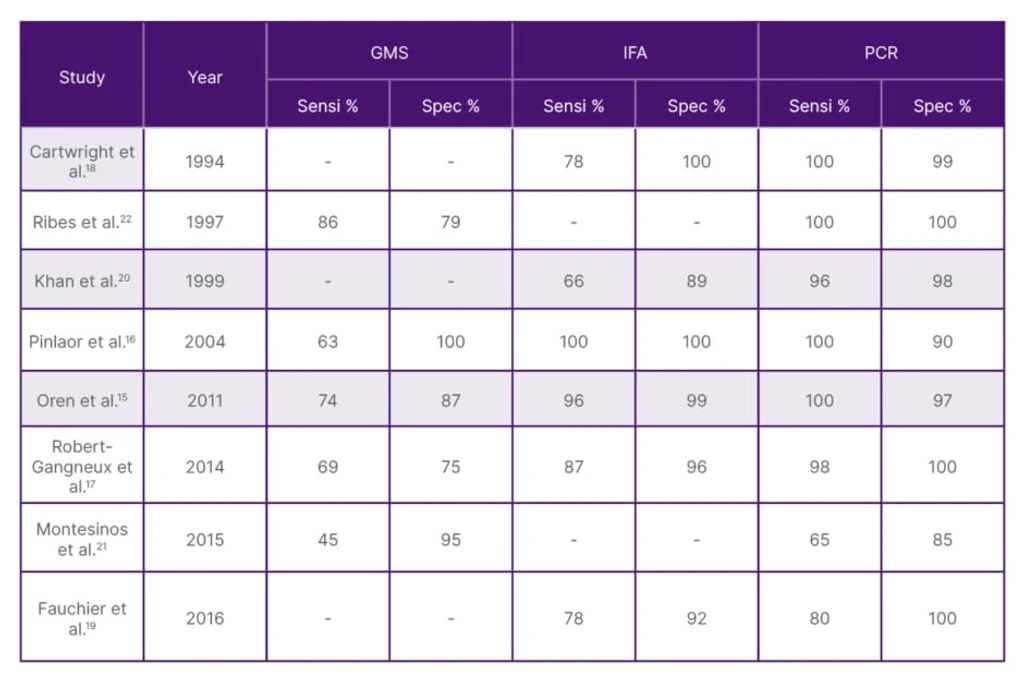
The findings highlight an urgent need for international collaboration. Researchers emphasize that standardization of PCR threshold values is mandatory before universal clinical guidelines can adopt molecular testing as the sole reference standard.