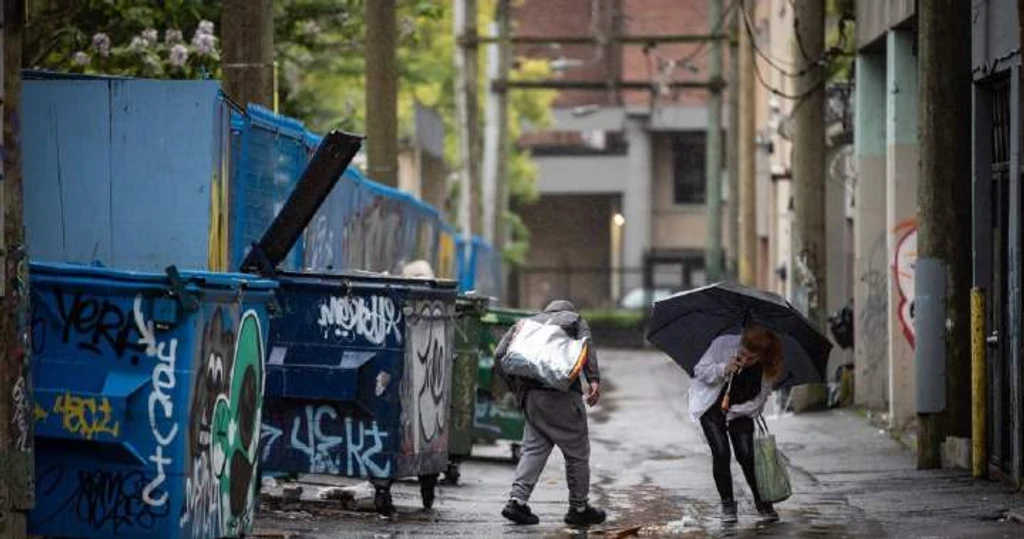
It has been 10 years since British Columbia declared a public health emergency due to the toxic drug crisis. Since then, over 18,000 people have died in the province from toxic drugs, with Indigenous people, men, and trades workers being the most affected.
BC Health Minister Josie Osborne stated the crisis impacts the entire province and North America, causing widespread heartbreak and grief. The province has implemented programs and supportive housing to aid those with drug addiction and expedite overdose responses. These efforts, alongside changes in the drug supply, are credited with reducing overdose deaths from 2,315 in 2024 to 1,826 in 2025.
The BC Centre for Disease Control estimates that harm reduction and opioid agonist treatment interventions have prevented approximately 49,560 deaths between January 2019 and October 2025. Preventative measures include take-home naloxone, observed consumption sites, and opioid agonist treatment.

Provincial health officer Dr. Bonnie Henry emphasized that harm-reduction and overdose-prevention services, such as overdose prevention sites and drug checking, are vital for saving lives. She noted that a multi-faceted approach involving prevention, harm reduction, medication-assisted treatment, and social supports is essential, as recovery is individualized.