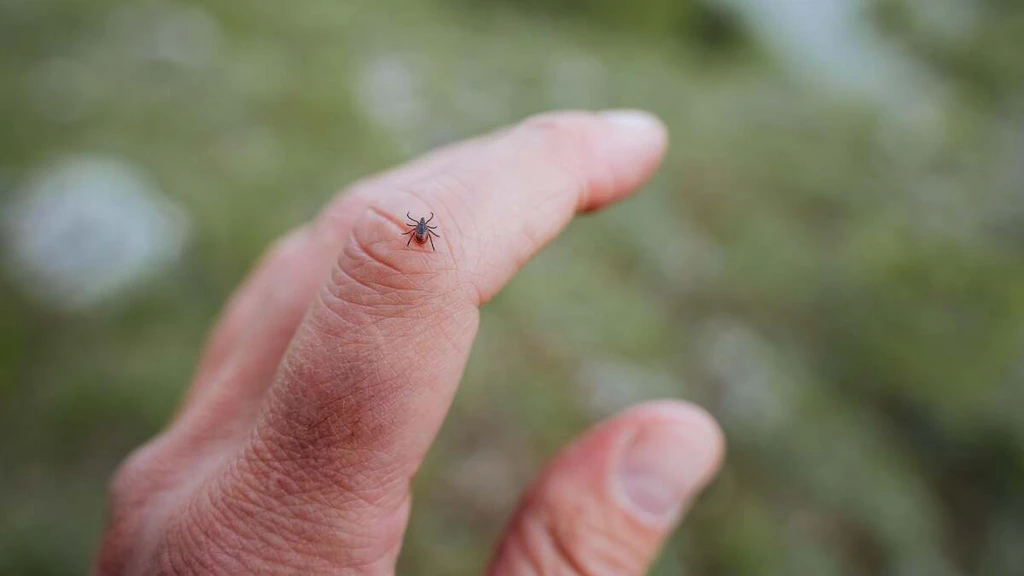
As tick populations and tickborne diseases like Lyme expand, thorough tick checks are becoming increasingly vital. However, many individuals make common mistakes that compromise their effectiveness.
One frequent error is limiting tick checks only to wooded areas. Ticks inhabit grassy fields, backyards, and parks, not just forests. It's crucial to check yourself after any outdoor activity in areas with tall grass, leaf litter, woods, or brush.
Skipping a post-outdoor shower is another mistake. A shower within two hours of returning indoors can wash off unattached ticks and provides an opportunity for a thorough body inspection. Ticks often crawl for hours before attaching, making a shower an effective preventative measure.
Many people also miss critical body areas. Ticks typically climb from the ground up. While lower legs are common initial contact points, checks must extend to the backs of knees, between legs, armpits, behind ears, and in hair. Using a mirror or partner can help inspect hard-to-see spots.
Failing to know what to look for is also problematic. Familiarize yourself with local tick species, their sizes, and appearances. Ticks are arachnids with eight legs. Mistaking them for other small insects can lead to missed bites. Attached ticks may initially resemble a small scab or mole.
Finally, not having a plan for attached ticks is a significant oversight. Avoid methods like burning, soap, or alcohol, which can cause the tick to regurgitate into the bloodstream. Instead, use fine-tipped tweezers or a specialized tick removal tool to pull the tick straight out from the skin. Prompt and correct removal is key to preventing disease transmission.