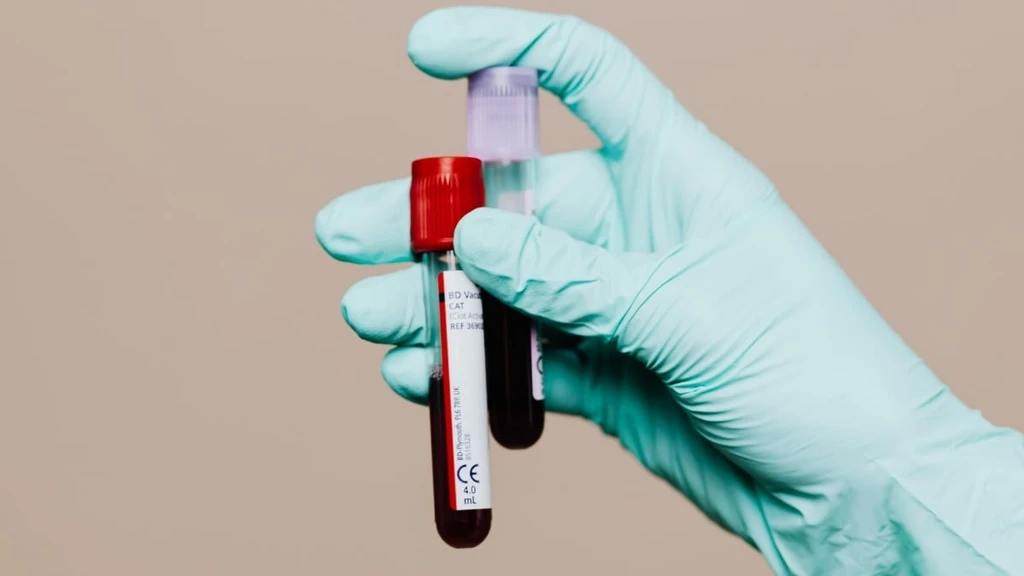
A new blood test is showing significant promise in predicting the earliest stages of Alzheimer's disease, potentially identifying risk years, even decades, before symptoms appear.
Research from Mass General Brigham identified a blood biomarker, pTau217, that may signal dangerous protein accumulations in the brain. These protein buildups, amyloid-beta and tau, are strongly associated with Alzheimer's.
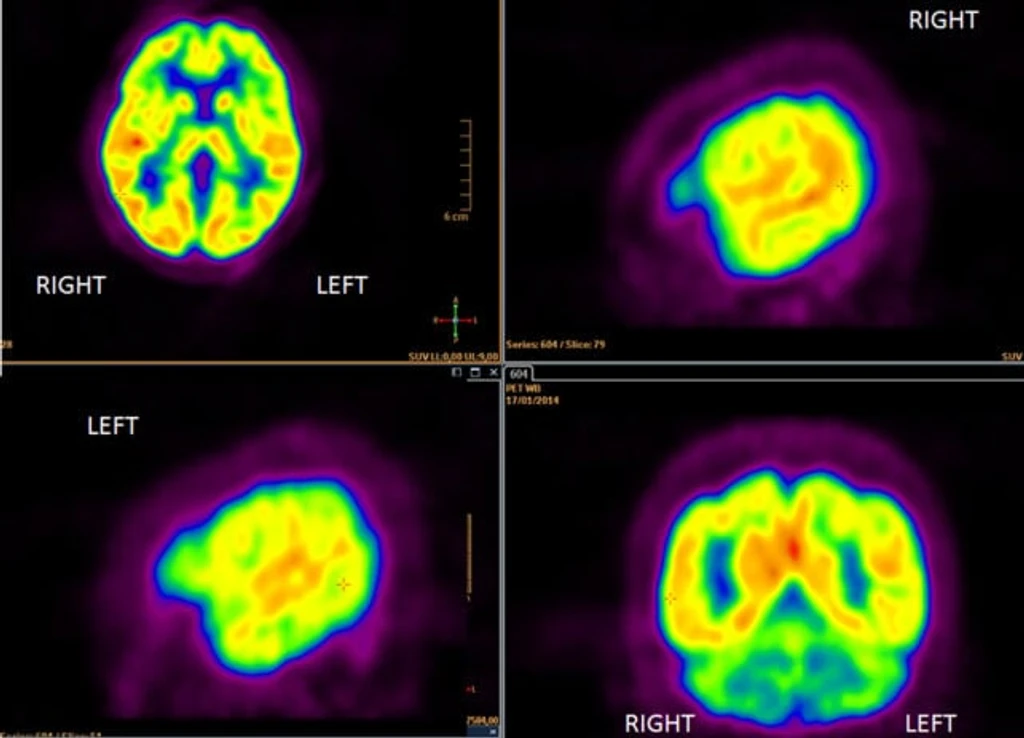
Currently, PET scans detect these signs, but the pTau217 blood test could offer earlier detection. Lead author Hyun-Sik Yang stated that pTau217 can be detected years before abnormalities are visible on amyloid PET scans.
The study followed 317 cognitively healthy participants aged 50-90 for eight years. Blood tests measuring pTau217 levels closely matched PET scan results for protein tangles and clumps. In some cases, rising pTau217 levels predicted changes before they appeared on brain scans.
High pTau217 levels correlated with future Alzheimer's pathology, while low levels suggested minimal risk. The biomarker can identify individuals who later become amyloid-positive, even when initial amyloid scans appear normal. Higher pTau217 was also linked to increased cognitive decline risk, particularly in those with early signs of toxic amyloid-beta protein.
While this blood test shows potential, further data collection and validation with larger, diverse groups are needed for increased accuracy and clinical application. The researchers aim to refine prediction algorithms for earlier Alzheimer's disease prediction, potentially enabling interventions before significant cognitive decline occurs.