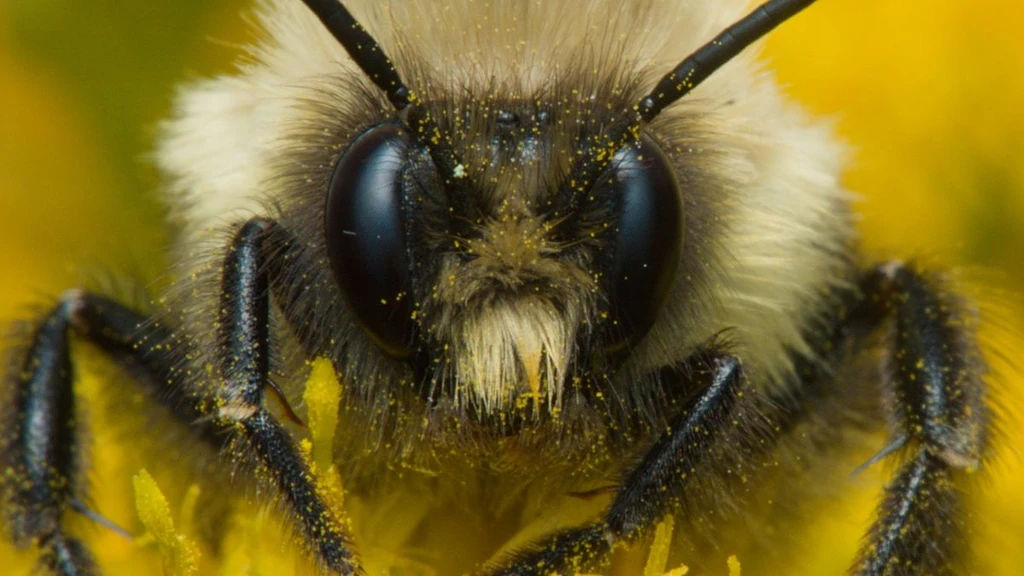
Scientists have discovered that bumblebee queens possess a remarkable ability to survive underwater for extended periods, a crucial adaptation for weathering flooded burrows.
New research reveals these queens can extract oxygen directly from the water, essentially breathing underwater. This survival strategy allows them to endure environmental crises and rebuild their colonies when conditions improve.
During their winter hibernation, known as diapause, bumblebee queens enter a state of suspended development. While this state significantly lowers their metabolism, underground nests are vulnerable to unpredictable flooding. The North American species Bombus impatiens has adapted to this threat.
Studies show these queens have a high survival rate, up to 90 percent, after a week submerged in water. The survival mechanism involves a combination of underwater respiration, anaerobic metabolism, and extreme metabolic depression. Researchers observed queens taking in oxygen from the water and expelling carbon dioxide, alongside a buildup of lactate, indicating anaerobic processes.
This extraordinary resilience is achieved by drastically reducing metabolic function, even further than the 95 percent reduction during diapause. The queens' metabolic rate can drop to one-sixth of its original value when submerged.
While the exact mechanism of oxygen extraction, possibly involving a physical gill, is still under investigation, this discovery highlights the hidden reserves of resilience in terrestrial insects against environmental extremes.