Cheap, over-the-counter supplements are reshaping scientific understanding of the gut-brain connection.
In 2024, a rigorous British twin study found that daily protein and prebiotic supplements can improve memory test scores in people over 60. The trial demonstrated that inexpensive plant-fiber prebiotics, inulin or fructooligosaccharide (FOS), led to better cognitive performance in just 12 weeks.
Researchers at King’s College London enrolled 36 twin pairs, giving one twin the supplement and the other a placebo. The twins taking the fiber scored higher on cognitive tests, reinforcing the value of twin studies in separating genetic influence from environmental impact. The beneficial Bifidobacterium was also more plentiful in the supplement group.
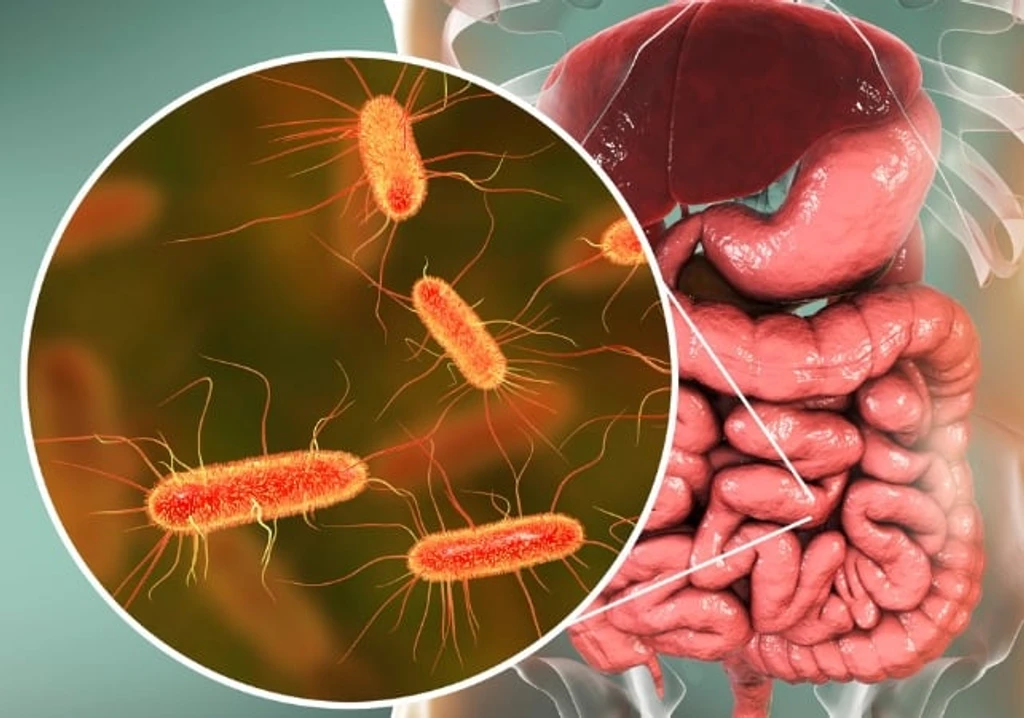
The link between the gut microbiome and the brain is now so strong that experts often call the gut the body’s “second brain.” Feeding its microbiome specific prebiotics could unlock new treatments for age-related mental decline.
Building on these results, Wageningen University initiated the PRECODE clinical trial in the Netherlands. This first-of-its-kind human study is testing the cognitive and microbial effects of three distinct dietary fibers-chicory inulin, resistant dextrin, and seaweed polysaccharide-against a placebo in older adults with suspected cognitive decline. Results are expected in 2027.
“We are excited to see these changes in just 12 weeks. This holds huge promise for enhancing brain health and memory in our aging population,” said Mary Ni Lochlainn, a geriatric medicine researcher. Geriatrician Claire Steves added that these safe, cheap, and available plant fibers “could benefit a wide group of people in these cash-strapped times.”