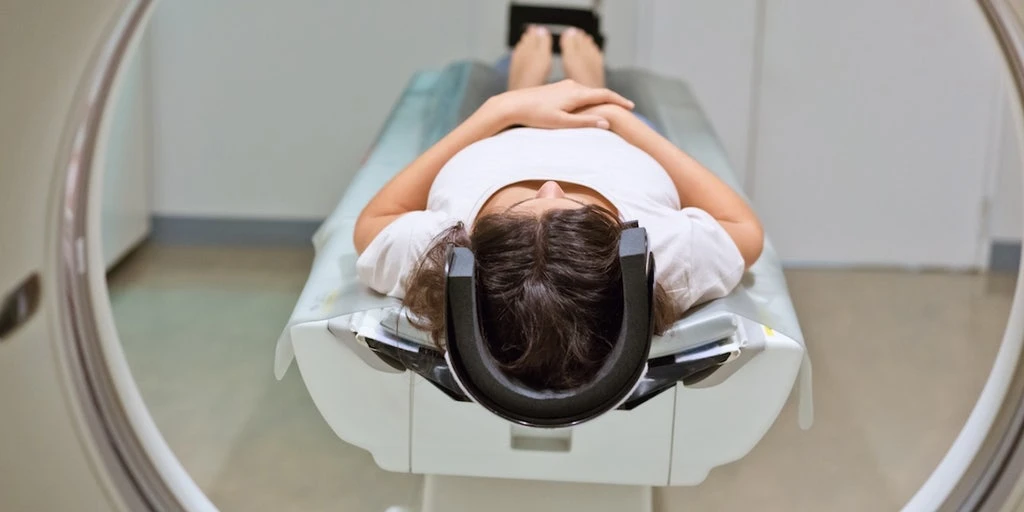
A former 'Bachelor' contestant's public disclosure of a brain tumor found via a preventive full-body scan has reignited debate over the technology's use in healthy individuals.
Companies like Prenuvo and Ezra offer scans using MRI, CT, or PET technology to screen for early signs of diseases like cancer or aneurysms. Prenuvo's Chief Medical Officer, Dr. Daniel Durand, calls it a "virtual physical" that can detect issues before symptoms arise.
The scans are not typically covered by insurance and can cost up to $2,500. Proponents argue they offer a non-invasive, radiation-free look inside the body, potentially catching serious conditions early.
However, many physicians are skeptical. Dr. Marc Siegel of NYU Langone Health and Dr. Mikhail "Dr. Mike" Varshavski both caution against routine screening for the general, low-risk population. They cite the high rate of incidental findings, the risk of false positives, and the potential for unnecessary anxiety and overtreatment.
The FDA states there is no scientific evidence showing whole-body scanning of asymptomatic individuals provides more benefit than harm. The American Academy of Family Physicians also recommends against these scans for early tumor detection in patients without symptoms.