A new Statistics Canada study reveals stark geographic disparities in breast cancer rates across Canada. Between 2010 and 2020, women in rural Quebec, Ontario, the Prairies, and urban centers with large immigrant and racialized populations faced the highest risks.
Canada's national average masks this variability. Rates are lowest in Montreal, Toronto, Vancouver, and northern remote areas with younger populations.
Breast cancer remains the most diagnosed cancer and second-leading cause of cancer death among Canadian women. In 2024, an estimated 30,500 women were diagnosed; 5,500 died. One in eight women will develop breast cancer in their lifetime; one in 36 will die from it.
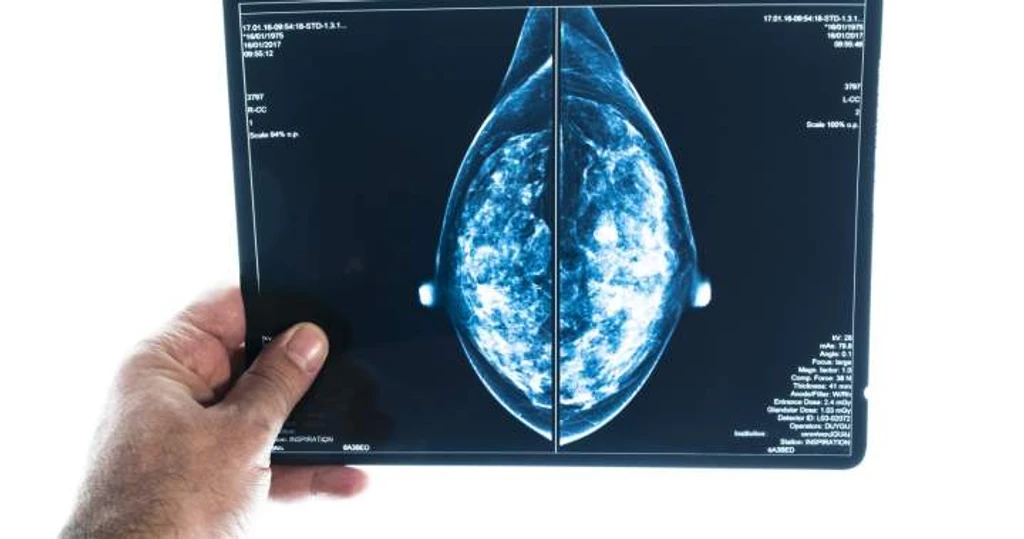
Experts point to a lack of mammogram access in rural communities. Patients often travel long distances or wait for mobile units. There are no national guidelines for breast cancer treatment, leaving provinces to act independently.
The national average age of diagnosis is 62.7 years, but it is significantly lower in Nunavut (54.2), the Northwest Territories (56.7), and Alberta (61.2).

A promising shift: all provinces except Quebec have lowered mammogram eligibility from 45 to 40. Alberta’s government expanded free screening on April 22, adding 193,000 eligible residents. Survival rates exceed 90% with early detection. But advocates argue universal, self-referred mammography starting at 40 is needed to close the gap.