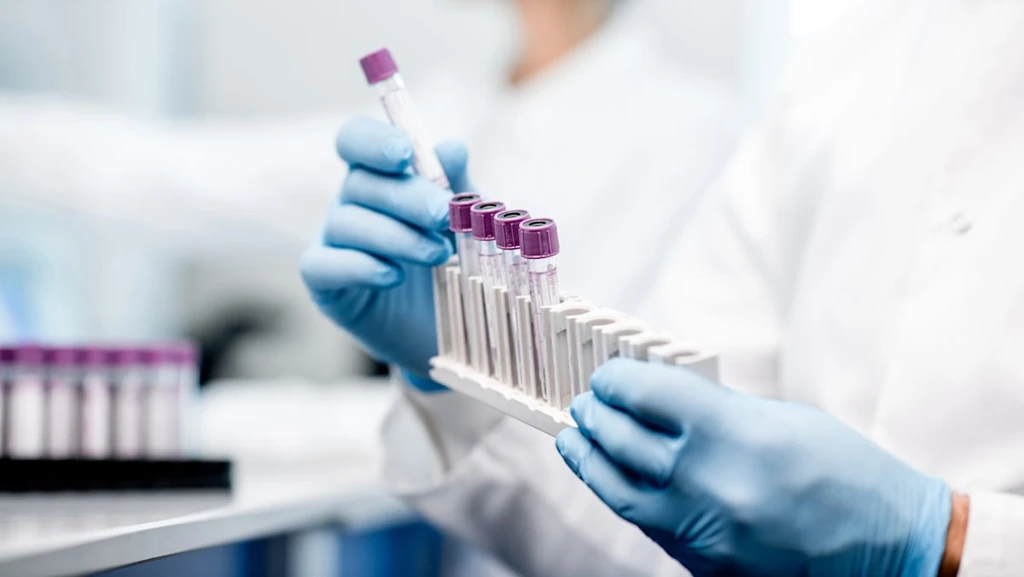
In Singapore, leftover blood and tissue from routine medical care are routinely discarded as biological waste-despite their immense value for scientific discovery.
Advanced techniques like genome sequencing and microbiome analysis can extract critical insights from these biospecimens. Past research using stored tissues led to landmark advances: the identification of BRCA and HER2 genes in breast cancer, and the link between HPV and cervical cancer-enabling life-saving vaccines now administered to 90% of eligible girls in Singapore.
Yet a major obstacle remains: strict consent rules under the Human Biomedical Research Act (HBRA) require explicit patient permission before biospecimens can be stored or used. This well-intentioned safeguard inadvertently restricts research, especially on underrepresented groups like Southeast Asians.
Critically, active consent creates unnecessary data linkages that may increase privacy risks-not reduce them. And it slows progress in tailoring treatments to local populations.
The authors propose an “opt-out” model, similar to Singapore’s Human Organ Transplant Act (HOTA). Under such a system, biospecimens would be automatically available for research unless a patient explicitly declines-preserving autonomy while unlocking scientific potential.
Adopting this approach could dramatically expand biomedical research tailored to Singaporeans and accelerate precision medicine across Asia.