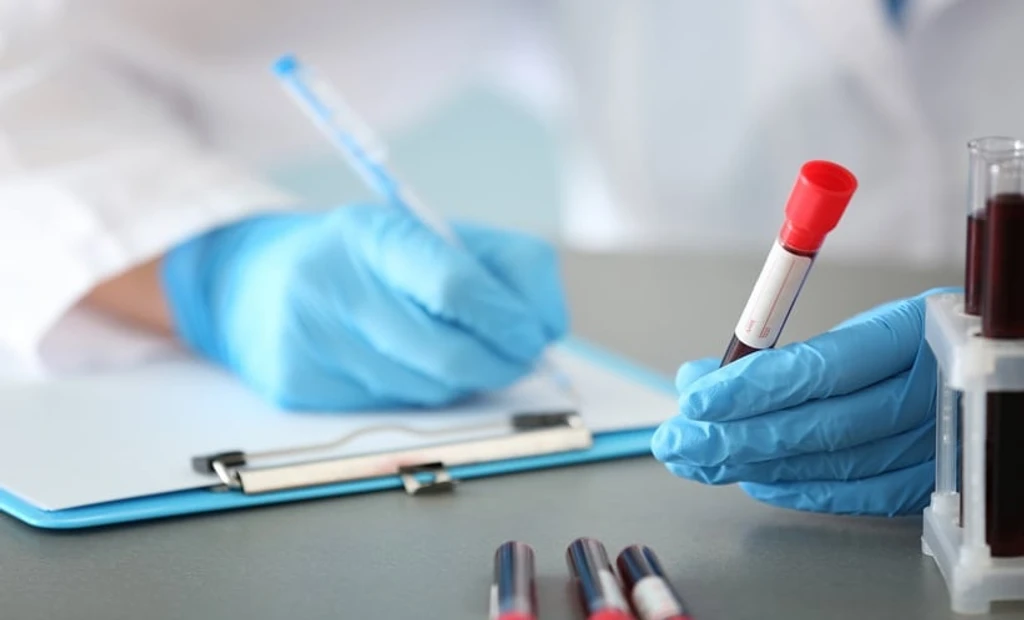
A simple blood test may soon enable doctors to detect heart and kidney disease far earlier than previously possible.
Scientists have discovered that red blood cells carry a biological 'fingerprint' of blood vessel damage, potentially allowing for a minimally invasive liquid biopsy.
The breakthrough centers on the endothelial glycocalyx, a fragile sugar-and-protein coating lining blood vessels that plays a crucial role in vascular health. Damage to this layer has been linked to cardiovascular disease, kidney injury, diabetes, and inflammatory disorders.
Up to now, monitoring this layer directly required invasive tissue biopsies or advanced imaging.
In a new study, researchers demonstrated that glycocalyx measurements from red blood cells accurately reflect endothelial glycocalyx injury in the heart and kidneys of rats. The findings strongly correlated with direct measures of endothelial barrier dysfunction.
Using advanced 'click' chemistry techniques, the team discovered that red blood cells and blood vessel walls continuously exchange glycocalyx components as blood circulates. This leaves a biochemical imprint on red blood cells mirroring the endothelial condition.
The discovery could lead to routine blood tests identifying endothelial dysfunction before irreversible organ damage develops, allowing earlier intervention for patients at risk of cardiovascular or renal disease.
Researchers also suggest glycocalyx measurements could monitor how effectively treatments restore vascular health in real time.
The study was conducted mainly in animal models, so human trials are needed before this becomes part of routine clinical care.