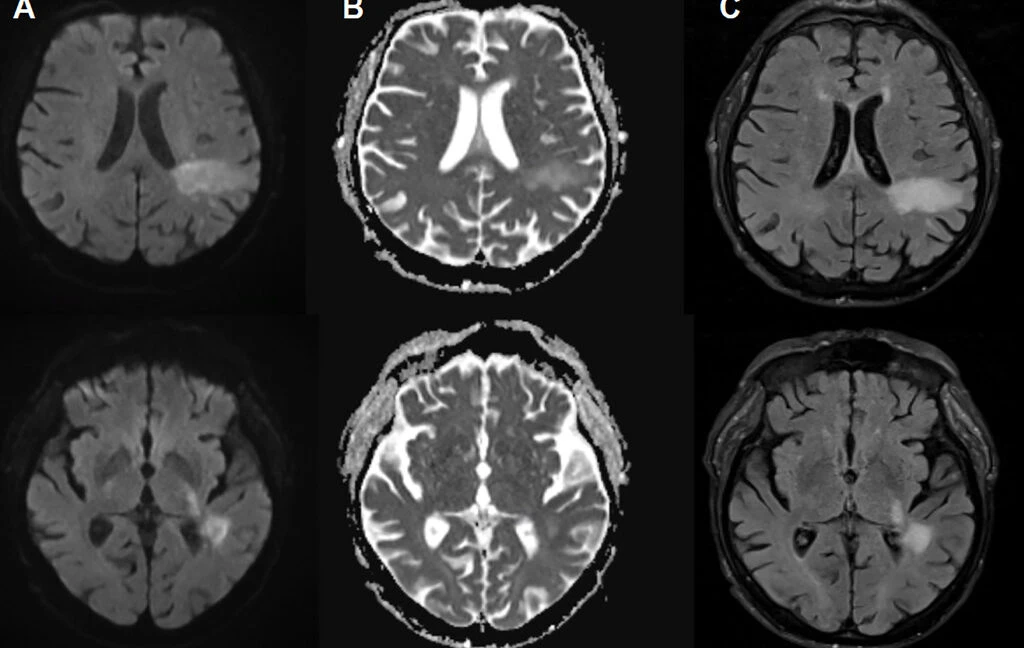
The human polyomavirus 2, commonly known as the JC virus or John Cunningham virus, infects up to 90% of people globally-often during childhood-with no symptoms. Once contracted, it remains dormant for life.
For a small number, the virus can reactivate, mutating into a form that attacks brain cells, causing progressive multifocal leukoencephalopathy (PML). This rare but devastating disease destroys myelin, leading to paralysis, vision loss, seizures, and cognitive decline.
PML was first linked to HIV/AIDS in the 1980s, when it became an AIDS-defining illness. Though survival improved with antiretroviral therapy, many patients suffer long-term neurological damage.
New research suggests a previously unknown activation pathway may affect up to 10% of adults-a development with profound implications for immunology and neurology.