Grant, my eldest child, always seemed to have it all. He was smart, generous, and confident. But everything changed when he turned 20. Anxiety set in, and during a family trip to South Carolina, his behavior became concerning. He seemed detached and agitated, and he laughed and smiled when no one was around.
Things escalated when he returned to Boston for school in March 2020, just as the pandemic hit. His roommates reported bizarre behavior, including delusions about moving paint with his energy. He also started smoking marijuana frequently. John and I drove to Boston and found Grant in the throes of a manic episode, claiming he could teleport and resurrect the dead.
We managed to get him hospitalized, but the system failed us. After a month, he was released without improvement, and his mania continued. He fled to Boston again, leading to another hospitalization. Each discharge left him in a fragile state.
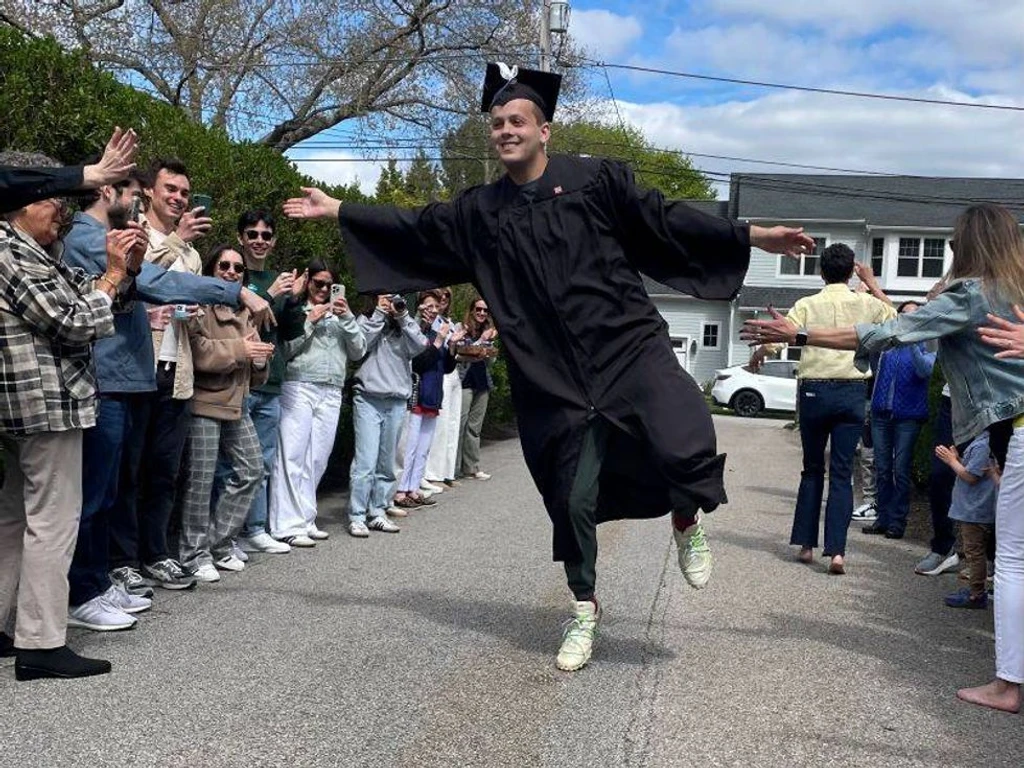
Finally, a dedicated psychiatrist diagnosed Grant with schizophrenia. We built a support team, and he was prescribed a powerful antipsychotic. Over time, Grant improved. He began eating, sleeping, and reconnecting with friends. He graduated from Northeastern and started selling his art.
Today, Grant is thriving. He works, paints, and produces music. Our family remains strong, united as #TeamGrant. While there are still tough days, seeing Grant’s progress brings me peace. Advocacy and self-care are crucial for caregivers, and I urge others to seek help and build a supportive community.