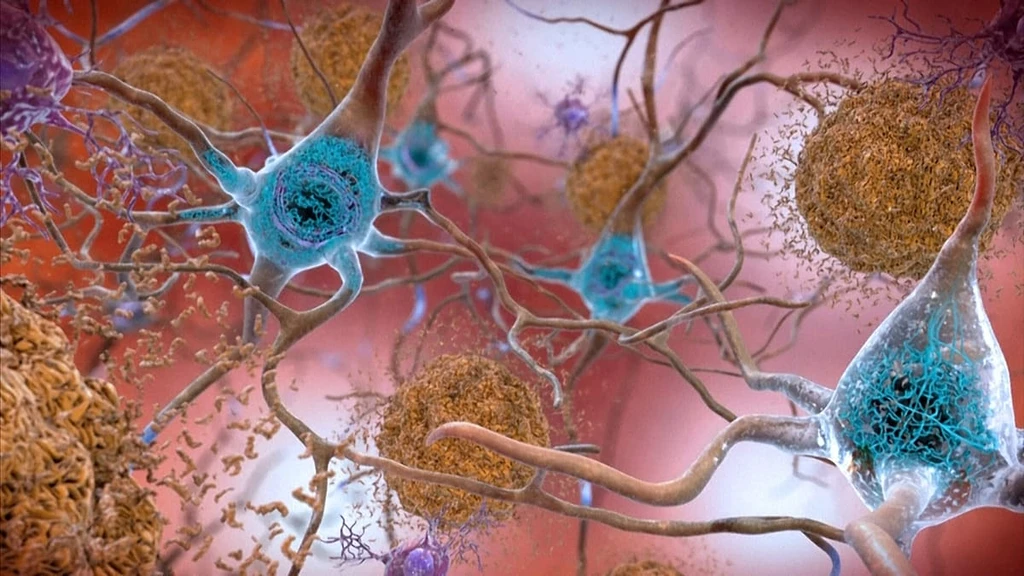
A simple blood test could soon identify people at higher risk of Alzheimer's years before symptoms appear, according to new research from the University of California, San Francisco. The study found that certain proteins in the blood-amyloid and tau-were linked to subtle thinking and memory differences in middle-aged adults without dementia.
‘For some people, testing could open a window to postpone Alzheimer's onset,’ said Dr. Kristine Yaffe, the study's senior author.
The team tested blood samples from 1,350 adults aged 53 to 69. Six percent had high levels of both Alzheimer's-related proteins. Although they weren't demented, these participants were slower at processing information and struggled with planning and organization. When tested five years later, they showed a faster decline in verbal memory and processing speed.
Researchers say blood tests could be cheaper and faster than current MRI scans, but experts warn they are not yet a standalone diagnosis. ‘It gives a signal, but it's just a small part of the picture,’ said Prof. Tara Spires-Jones of the UK Dementia Research Institute.
Currently approved in the US only for people with symptoms, the tests are designed to detect Alzheimer's, not other dementias. Still, early detection is valuable because up to 40% of dementia cases could be delayed or prevented by addressing modifiable risk factors like inactivity, smoking, and poor heart health.
Globally, 57 million people had dementia in 2021, with nearly 10 million new cases each year.