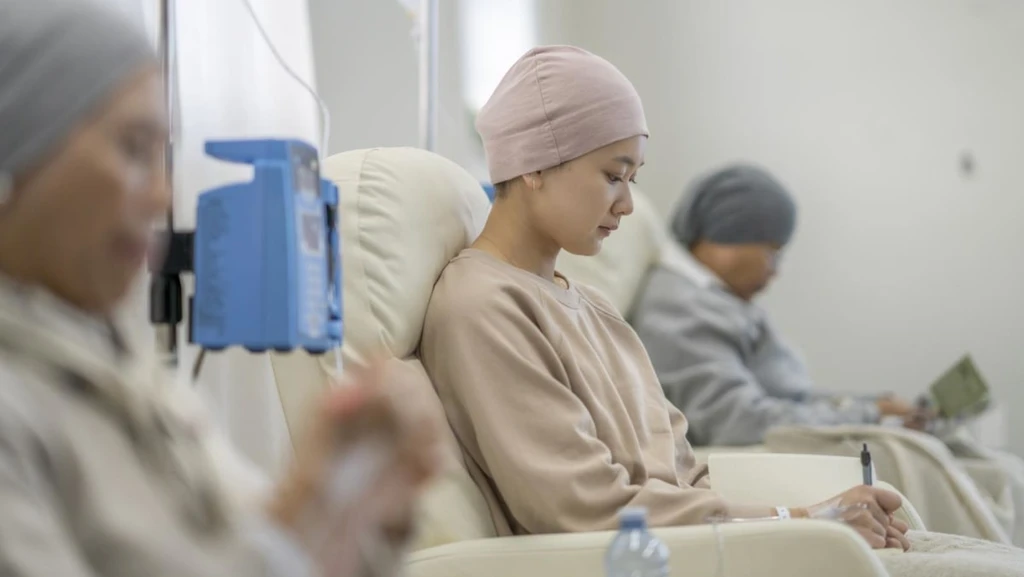
Cancer diagnoses are rising among young adults in Singapore, but support systems are failing to keep pace. Ben Chua, CEO of 365 Cancer Prevention Society, notes that individuals in their twenties and thirties are increasingly diagnosed with cancers historically seen in older populations, including colorectal, breast, and blood cancers.
This trend, mirrored globally, is linked to factors like sedentary lifestyles and environmental exposures, though precise causes remain under investigation. The current support infrastructure, largely structured for children and older adults, leaves young survivors feeling isolated. Conversations in traditional support groups often do not resonate with their concerns about career advancement and family planning.
Survivorship presents unique challenges post-treatment, including the return to work, managing invisible side effects like fatigue and memory fog, and the potential for social drift. To address this, 365 Cancer Prevention Society launched Strong Olive, an initiative co-founded by endometrial cancer survivor Rebecca. The program offers small, relational support groups for young parents managing cancer, a walking club, and counseling focused on grief and identity.
Experts stress the need for broader recognition of survivorship as a lifelong issue, requiring flexibility and understanding from employers, and a long-term perspective from policymakers. The public is urged to acknowledge that surviving cancer is not an end, but a new chapter requiring dedicated support.