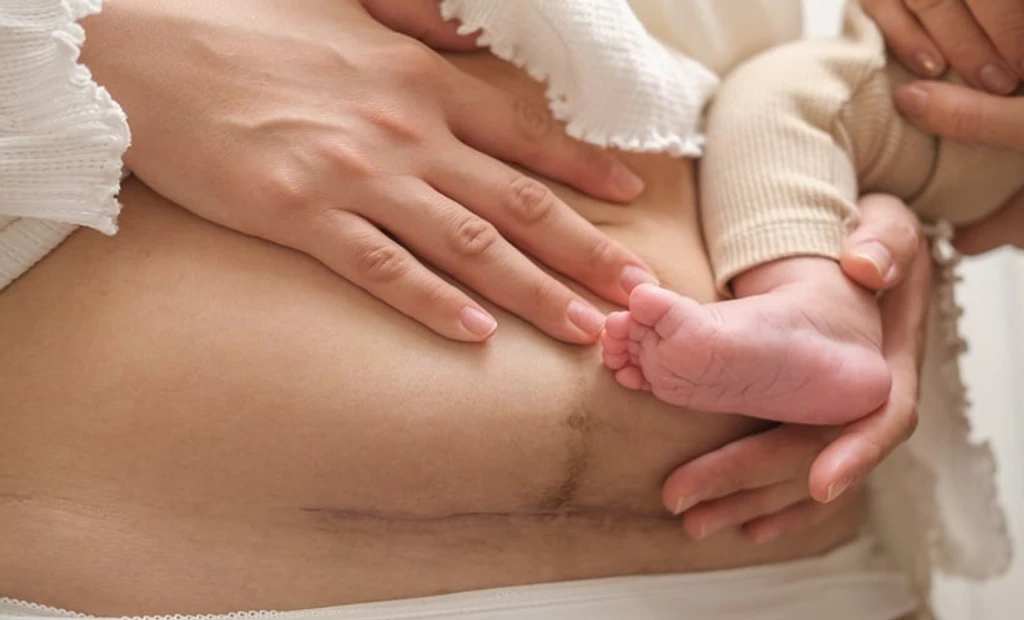
Women undergoing caesarean sections at full cervical dilation face substantially higher risks of adverse outcomes in future pregnancies. A new population-based cohort study indicates these patients are six times more likely to experience spontaneous preterm birth compared to those having elective procedures.
Researchers analyzed data from nearly 1,000 women over seven years. Results show 18% of full-dilation cases resulted in subsequent preterm birth before 37 weeks, versus only 3% to 6% in other groups. The risk escalated with surgical complications; uterine extensions measuring three to five centimeters correlated with an eight-fold increase in preterm birth and a 10% rate of second-trimester miscarriage.
Data demonstrates a direct correlation between dilation extent and future risk. For every additional centimeter of cervical dilation during the initial surgery, spontaneous preterm birth probability rose by 27%. Failed instrumental deliveries and arrested fetal descent were identified as critical high-risk indicators.
Medical experts now recommend incorporating detailed surgical history into prenatal risk assessments. Suggested interventions for affected patients include serial cervical length monitoring, vaginal progesterone therapy, and referral to specialized preterm birth prevention clinics to mitigate reproductive complications.