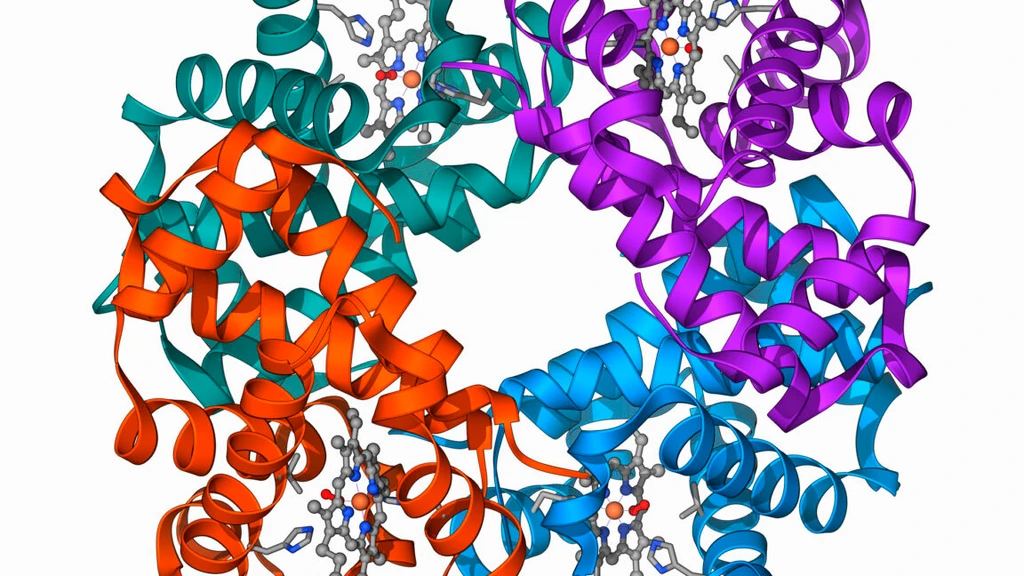
A new, highly precise gene editing system has demonstrated success in treating beta-thalassemia, a blood disorder closely related to sickle-cell anemia. This innovative therapy works by reactivating the fetal version of a hemoglobin gene, a process normally suppressed in adults.

The advanced gene editing technique focuses on making specific, single base changes to DNA, significantly reducing the risk of off-target edits that have been a challenge for previous CRISPR-based therapies. The system involves a base editor fused with a guide RNA that targets specific DNA sequences. It also incorporates a protease to activate the editor only at the intended site and a bacterial protein to inhibit DNA repair mechanisms, ensuring the edits are not immediately corrected.
This refined approach was tested in a clinical trial involving five patients with beta-thalassemia. Their blood stem cells were edited to damage a specific DNA site that normally shuts off the fetal hemoglobin gene. After the edited stem cells were transplanted back into the patients, they showed a marked increase in hemoglobin levels. Crucially, all five patients achieved the trial's primary success metric: remaining transfusion-independent for over six months.
While the current expense and significant medical interventions required for the transplant protocol present challenges, the long-term health benefits for patients with beta-thalassemia could be substantial. This development marks a significant transition for gene editing technology, moving from a promising concept to a viable therapeutic tool with potential for future advancements.