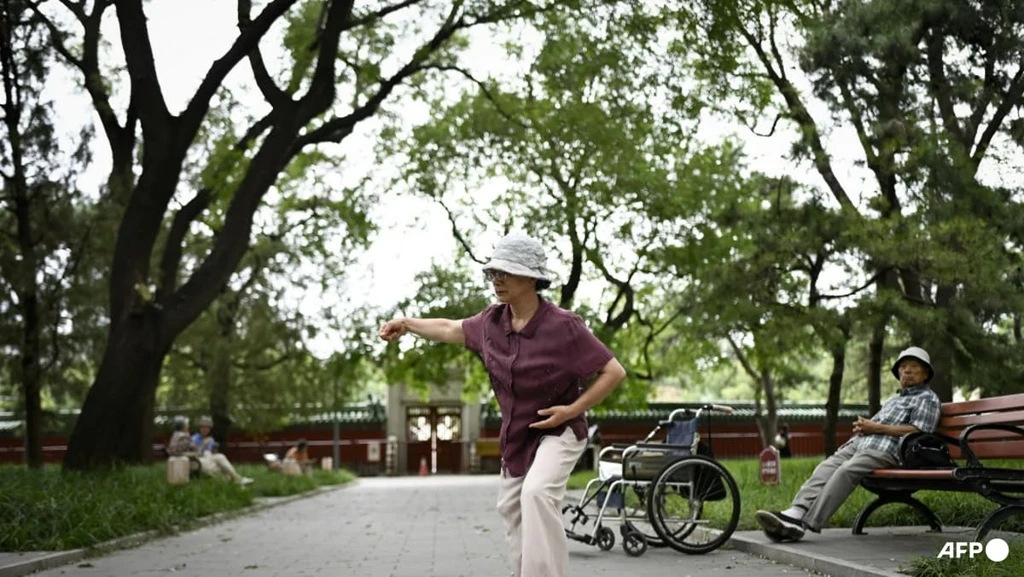
China's population is aging at an unprecedented pace. By 2035, projections indicate that over 400 million people, or 30% of the population, will be aged 60 and above.
This demographic trend is reshaping the nation's healthcare system, increasing demand for specialized services like geriatric and palliative care. However, access to palliative care remains a significant challenge, with fewer than 3% of patients reportedly receiving it. A primary reason cited is a shortage of trained professionals and the lack of established training pathways for palliative medicine within China.
To address this gap, institutions like Beijing Haidian Hospital are partnering with international organizations, such as Singapore's Tan Tock Seng Hospital and the Lien Foundation. These collaborations aim to train over 1,000 Chinese healthcare professionals through exchanges and workshops, focusing on essential areas like symptom management.
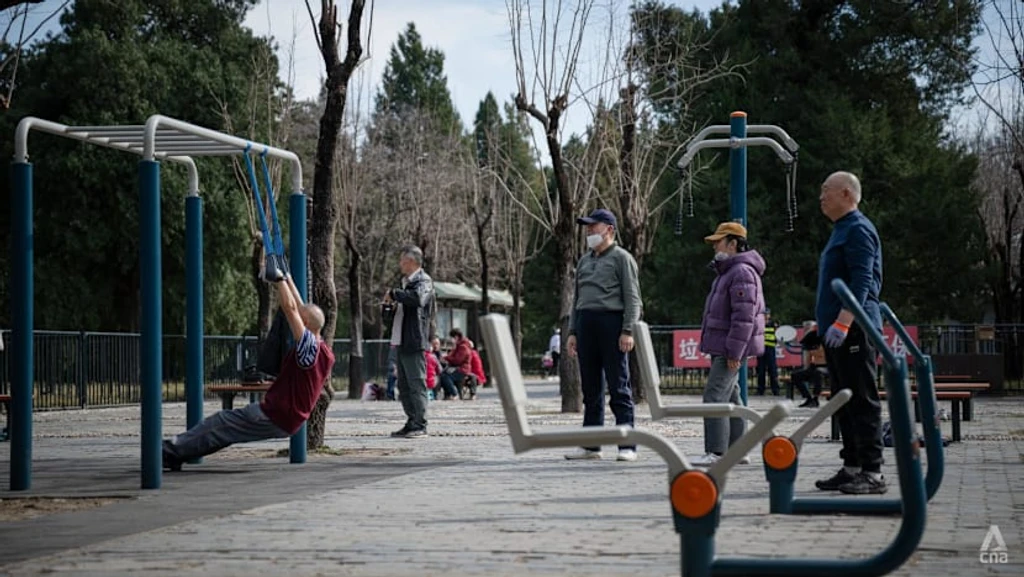
China is actively seeking external expertise and investment to upgrade its healthcare infrastructure, particularly in eldercare and specialized medical services. The country's per capita healthcare spending, around US$365 last year, lags significantly behind OECD averages, indicating substantial growth potential. Developing a robust palliative care system is emerging as a critical priority for China's future healthcare landscape.