Researchers have identified abnormal cholesterol signaling as a key driver of cellular damage in dilated cardiomyopathy, or DCM. The study used patient-derived heart tissue and lab-grown cells to uncover the mechanism.
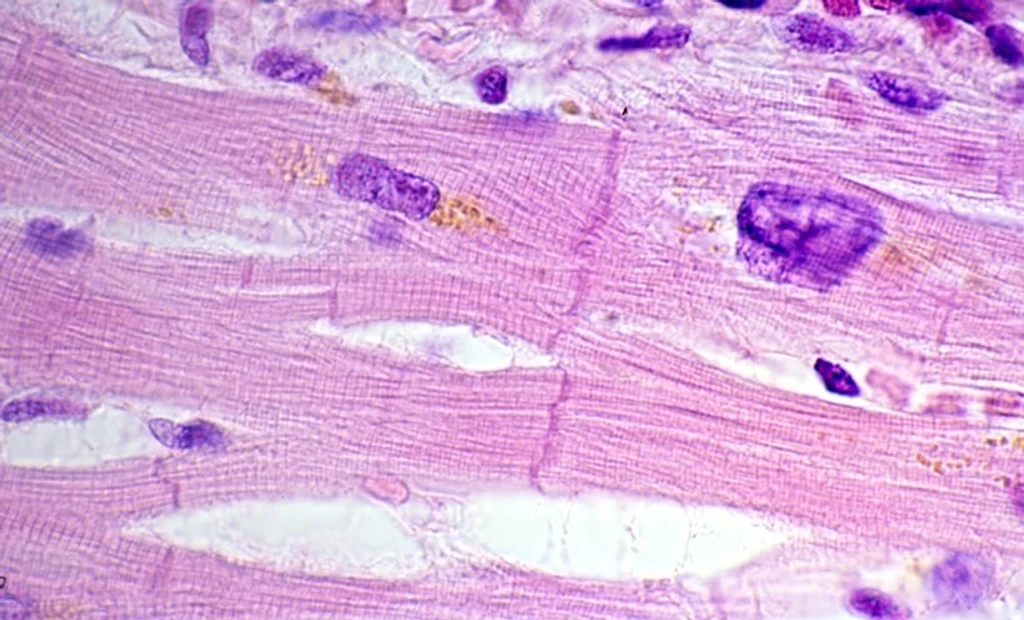
The findings show that elevated intracellular cholesterol disrupts the endoplasmic reticulum, a vital cell structure. This damage impairs the sarcomeres, the contractile units of heart muscle cells.
A bidirectional relationship was discovered. Misaligned sarcomeres worsen the cholesterol imbalance, and the imbalance further damages cell structure. This cycle weakens heart cell contraction and drives disease progression.
Critically, the research found that correcting cholesterol levels in diseased cells restored their structure and function. This points to a novel therapeutic approach targeting this lipid pathway to potentially modify the course of heart failure.