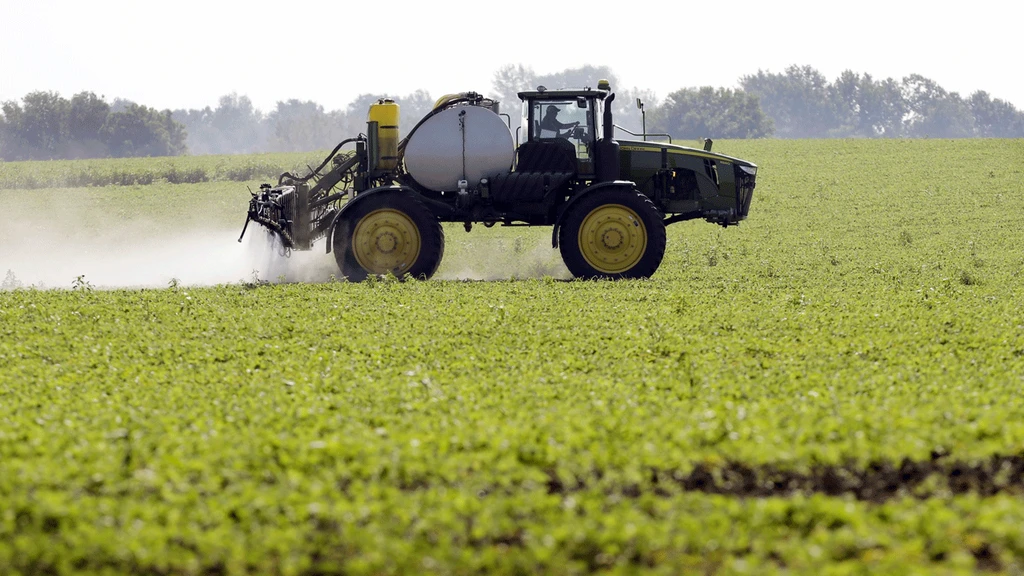
A significant debate is underway regarding glyphosate, a widely used herbicide facing scrutiny over its potential health impacts. This follows an executive order signed by President Trump ensuring an adequate supply of elemental phosphorus and glyphosate-based herbicides for national defense.
Medical experts express concern, citing growing evidence linking glyphosate to neurodegenerative diseases such as ALS and Parkinson's. Dr. Marc Siegel, Fox News senior medical analyst, stated that exposure appears to affect the gut microbiome, potentially leading to these conditions years later. He also noted a growing association between high-dose or occupational exposure and metabolic disorders, liver disease, and certain cancers, including lymphoma.
Studies suggest glyphosate, found in products like Roundup, may increase cancer risk. Research from the University of Washington indicated a 41% increased risk of non-Hodgkin lymphoma following exposure. Data analysis by Investigate Midwest also found that pesticides may contribute to higher cancer rates in certain counties.

Concerns are amplified by agricultural practices where grains are sprayed with Roundup before harvest, potentially introducing high levels into the food supply. In 2015, the International Agency for Research on Cancer classified glyphosate as "probably carcinogenic to humans" based on limited human and sufficient animal evidence.
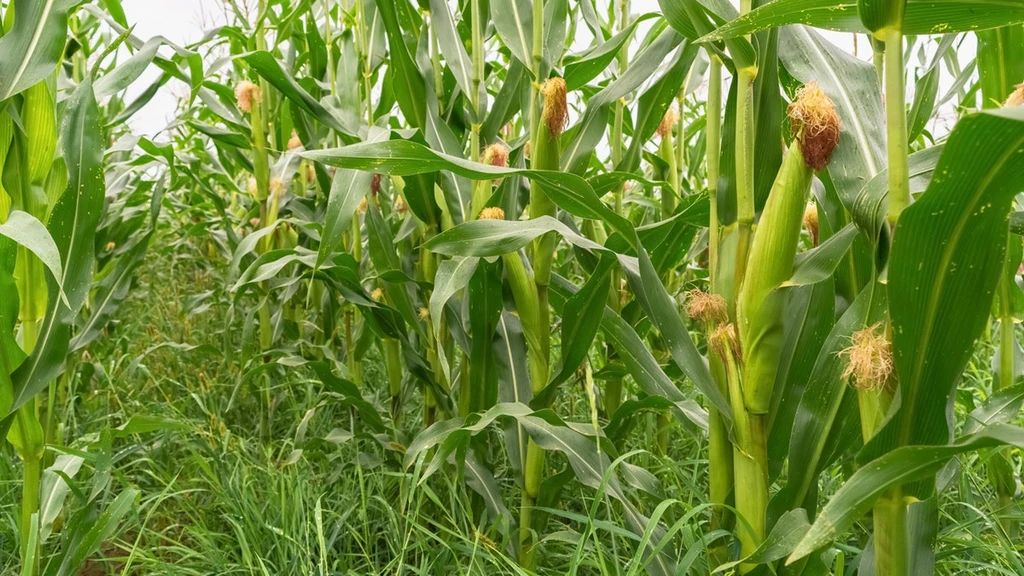
A spokesperson for Monsanto stated they will comply with the order, emphasizing the need for farmers to access crop protection tools. However, critics, including Robert F. Kennedy Jr., a vocal opponent, acknowledge the inherent toxicity of pesticides, warning of risks to Americans when applied across vast agricultural lands and integrated into the food system.