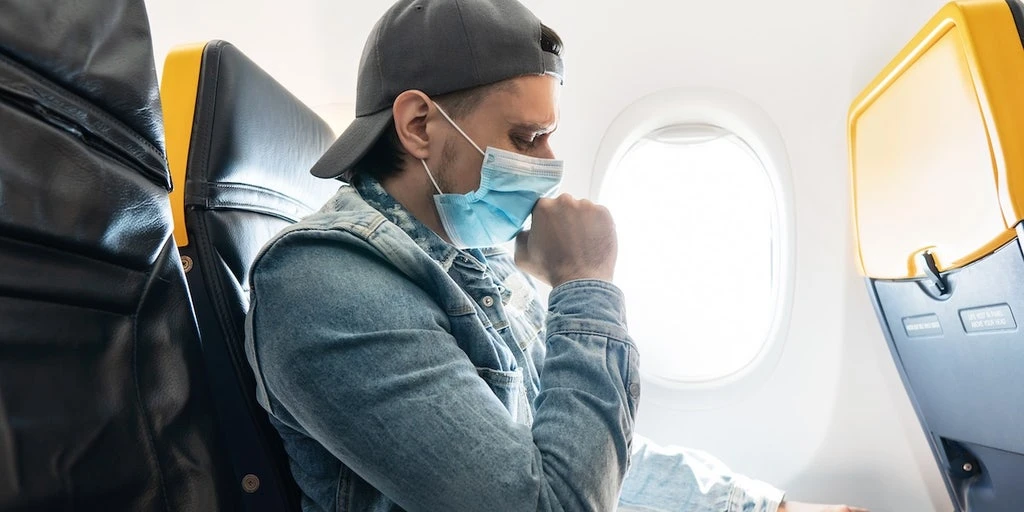
A highly contagious virus, human metapneumovirus (HMPV), is spreading rapidly across the western United States, with significant detection in Northern California. Wastewater surveillance data shows HMPV peaked in January and remains elevated.
HMPV, similar to RSV, causes symptoms like cough, fever, nasal congestion, and shortness of breath in healthy individuals. While most recover, young children, older adults, and the immunocompromised are at higher risk for severe illness, including pneumonia. The virus can also exacerbate existing chronic lung conditions in adults.
Transmission occurs through close personal contact, coughing, sneezing, and touching contaminated surfaces. HMPV is typically reported during winter through spring. Currently, there is no vaccine or specific treatment for HMPV. Supportive care involves rest and hydration.
Prevention methods recommended by health officials include covering coughs and sneezes, frequent handwashing, sanitizing surfaces, and avoiding close contact when sick, or wearing a mask.