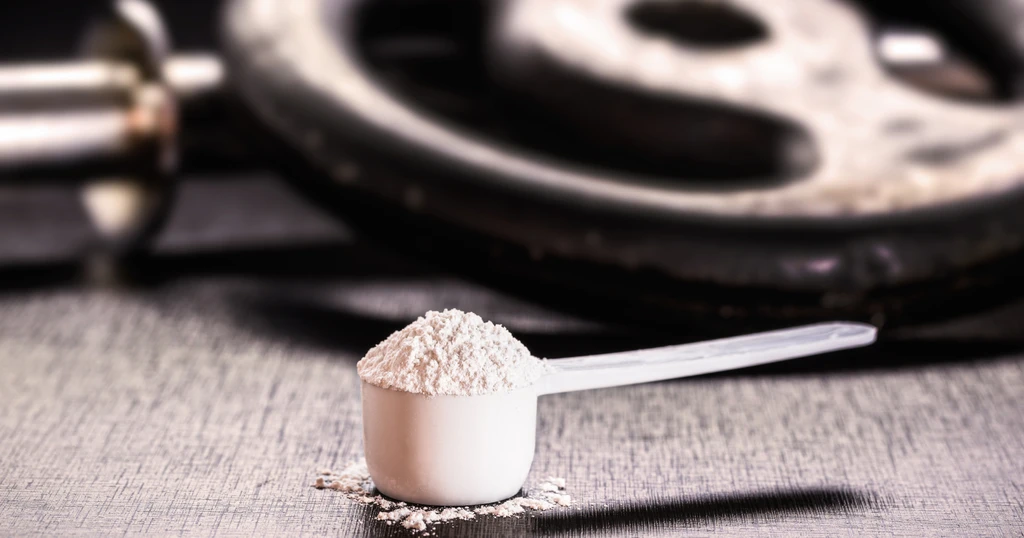
Walk into any supplement shop and you will find creatine monohydrate, a white powder sold by the tub to everyone from teenagers to Olympic sprinters. It is among the world's best-selling sports supplements. The compound is nearly two centuries old.
In 1832, French chemist Michel Eugène Chevreul simmered skeletal muscle broth and isolated a nitrogenous compound. He named it creatine after kreas, the Greek word for flesh.
The Energy Shuttle
What Chevreul could not know is that creatine is half of the body's fastest energy system. In muscle, it binds with phosphate to form phosphocreatine. This molecule refills ATP, the cellular fuel, almost instantly during explosive efforts like sprints or heavy lifts. The system powers maximum effort for about ten to fifteen seconds.
For over a century, creatine remained a laboratory curiosity. The leap to sports supplement occurred after the 1992 Barcelona Olympics. Reports emerged that British sprinters like Linford Christie used creatine monohydrate for training. American manufacturers quickly began selling the pure powder.
Beyond the Gym
The supplement’s user base has expanded dramatically. Women now adopt creatine for potential benefits in muscle preservation during menopause, bone density, and recovery. Its image has migrated from powerlifters to Pilates studios and longevity clinics.
Research is exploring new frontiers. Because the brain uses creatine for energy, studies suggest it may help with mental fatigue. The evidence on mood and depression is still emerging and inconsistent.

The Standard Dose
The standard dose remains about three to five grams daily. Vegetarians and vegans often show the largest response to supplementation, as their baseline muscle stores are lower. After decades of study, the safety profile for healthy adults is considered clean, with no consistent adverse effects on kidney or liver markers.
Chevreul died in 1889 at age 102, never knowing what the molecule he named actually did. The white powder in today's gym tubs is chemically identical to the residue he scraped from his flask. The name he gave it from the Greek for flesh endures.