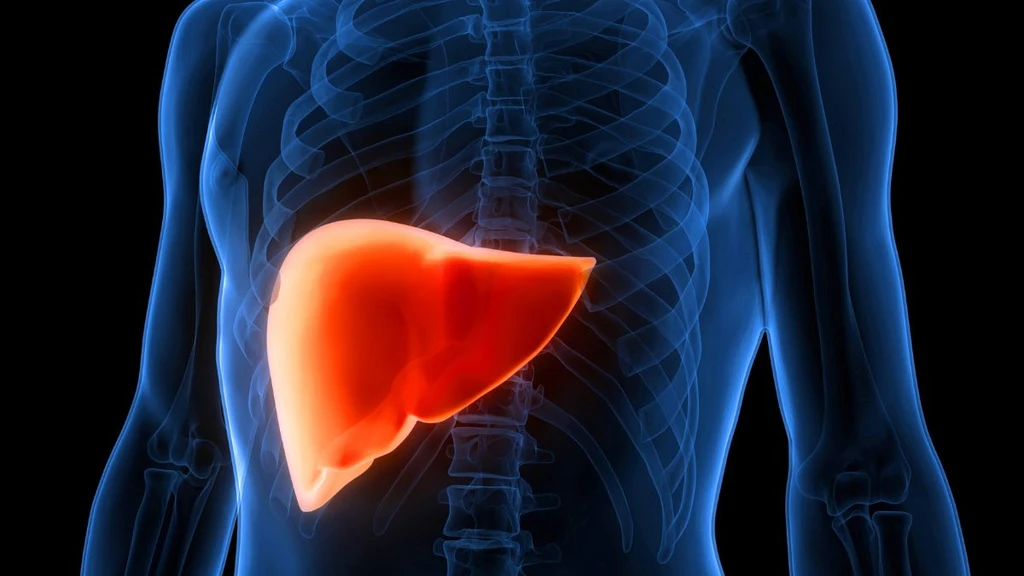
Cannabis-derived compounds CBD and CBG reversed fatty liver disease in obese mice without triggering a high, according to research from the Hebrew University of Jerusalem.
The study found both compounds improved blood sugar control, reduced liver fat, and lowered blood lipids. Their effects were independent of traditional cannabinoid receptors, instead enhancing production of phosphocreatine-a key energy molecule in liver cells.
After four weeks on a high-fat diet, treatment restored liver function. CBG outperformed CBD, reducing body fat, lowering 'bad' cholesterol, and increasing insulin sensitivity more significantly.
"This is the first evidence that phytocannabinoids can reprogram hepatic energy buffering," said senior author Joseph Tam, pharmacist and researcher.
The findings suggest a promising new path for treating metabolic dysfunction-associated steatotic liver disease (MASLD), the most common chronic liver condition globally, affecting an estimated one-third of adults.
Though human trials are pending, the results point toward novel drug development targeting liver energy metabolism.