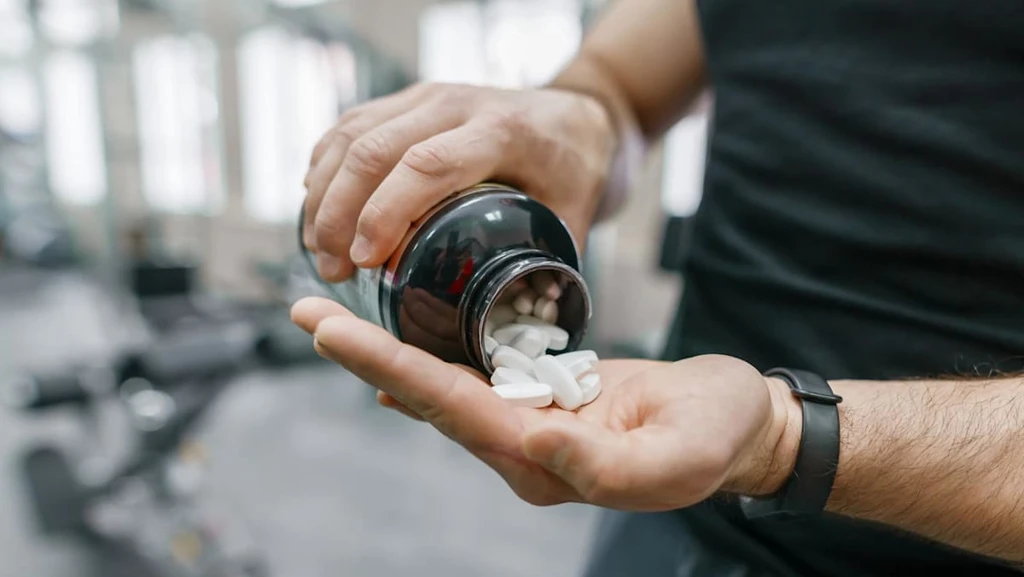
The rise of gym culture in Singapore has led to a surge in the use of sports supplements like whey protein, creatine monohydrate, and BCAAs. Dietitian Jaclyn Reutens from Aptima Nutrition and Tung Yee Nei, lead nutritionist at Ventrickle, warn consumers to be vigilant.
To ensure a product is legitimate, check the Health Sciences Authority (HSA) or NSF International websites for certification. Avoid products with exaggerated claims like “100% weight loss” or those sold only via social media. Look for third-party testing labels such as “NSF Certified for Sport.”
For protein, a high-quality whey concentrate should offer at least 20g of protein per 30g serving. Avoid fillers like sugar or maltodextrin listed as top ingredients. For creatine monohydrate, 3g to 5g per day is effective. Avoid “novel” forms like creatine ethyl ester.
BCAAs should provide at least 5g per serving, with leucine as the highest ingredient. Avoid protein hydrolysate sold as BCAAs. For caffeine, 200mg to 400mg is typical, but avoid pairing with other stimulants like synephrine or yohimbine.
Beta alanine (3.2g to 6.4g daily) can improve endurance, but a tingling sensation is a sign of quality. Nitrates, found in beetroot juice, can boost blood flow, but avoid if on blood pressure medication.
Supplements are not suitable for everyone. Those with kidney disease should avoid protein and creatine. Individuals on thyroid medication must space protein intake by four hours. Always consult a doctor before starting any new regimen.